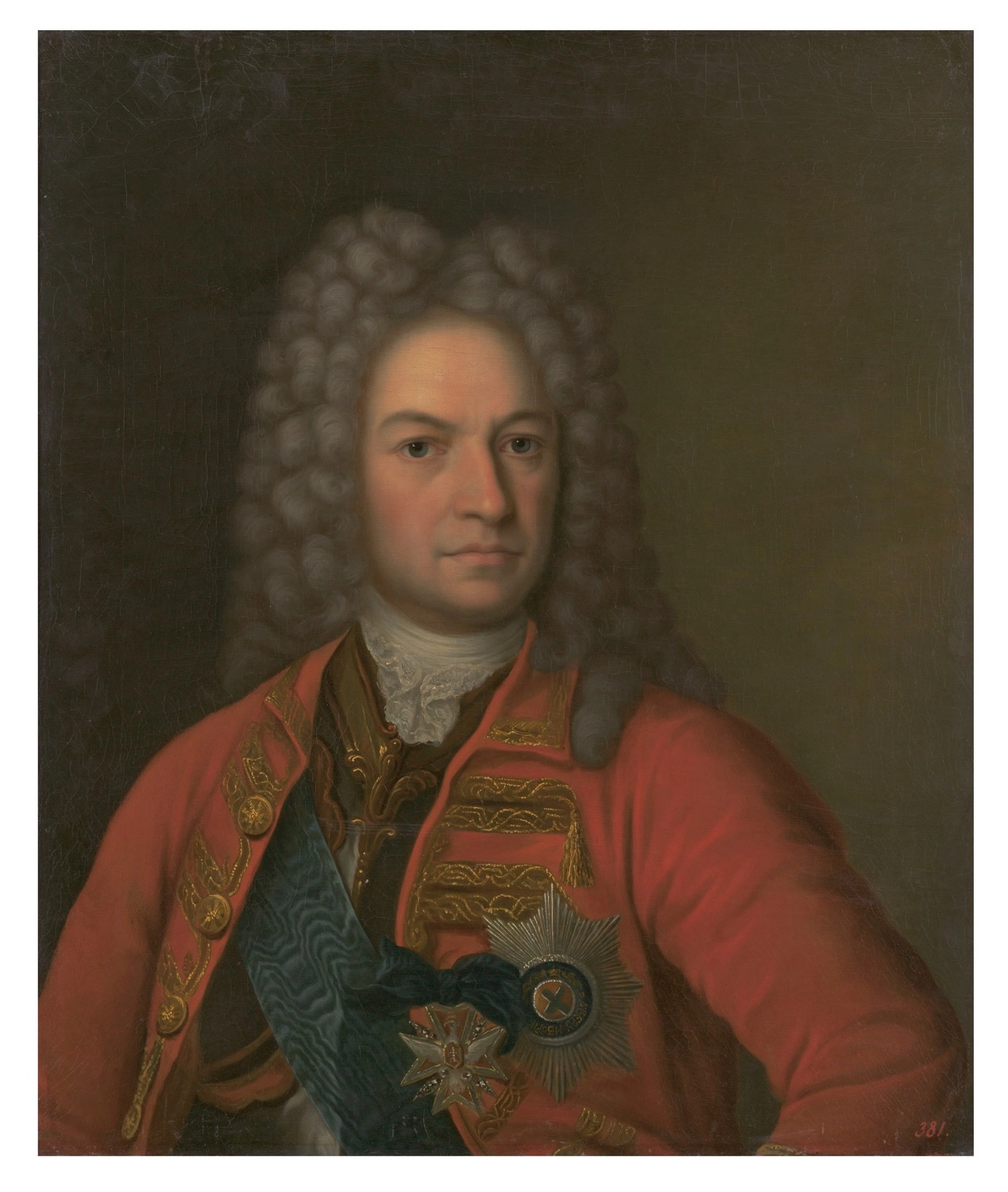
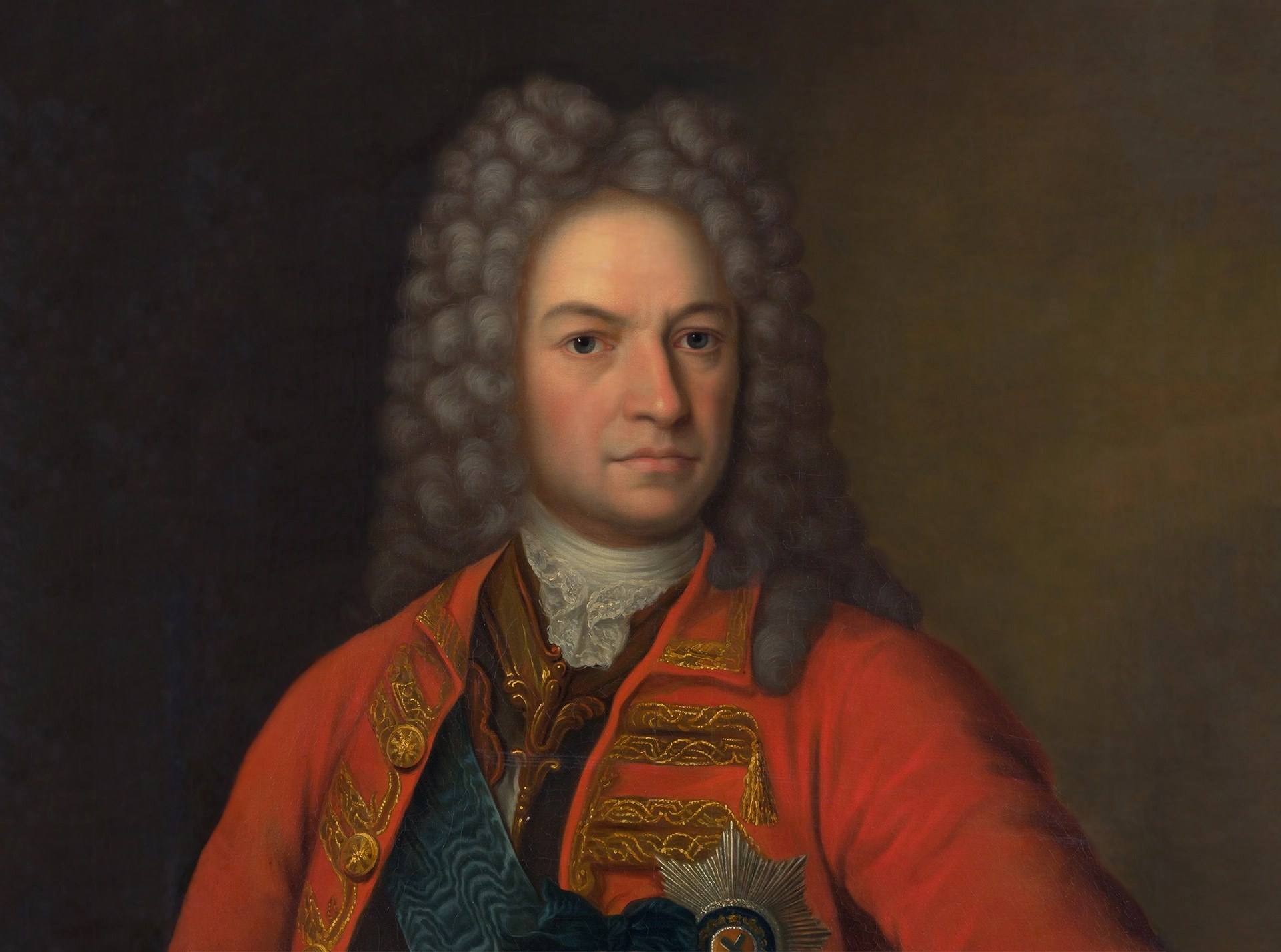
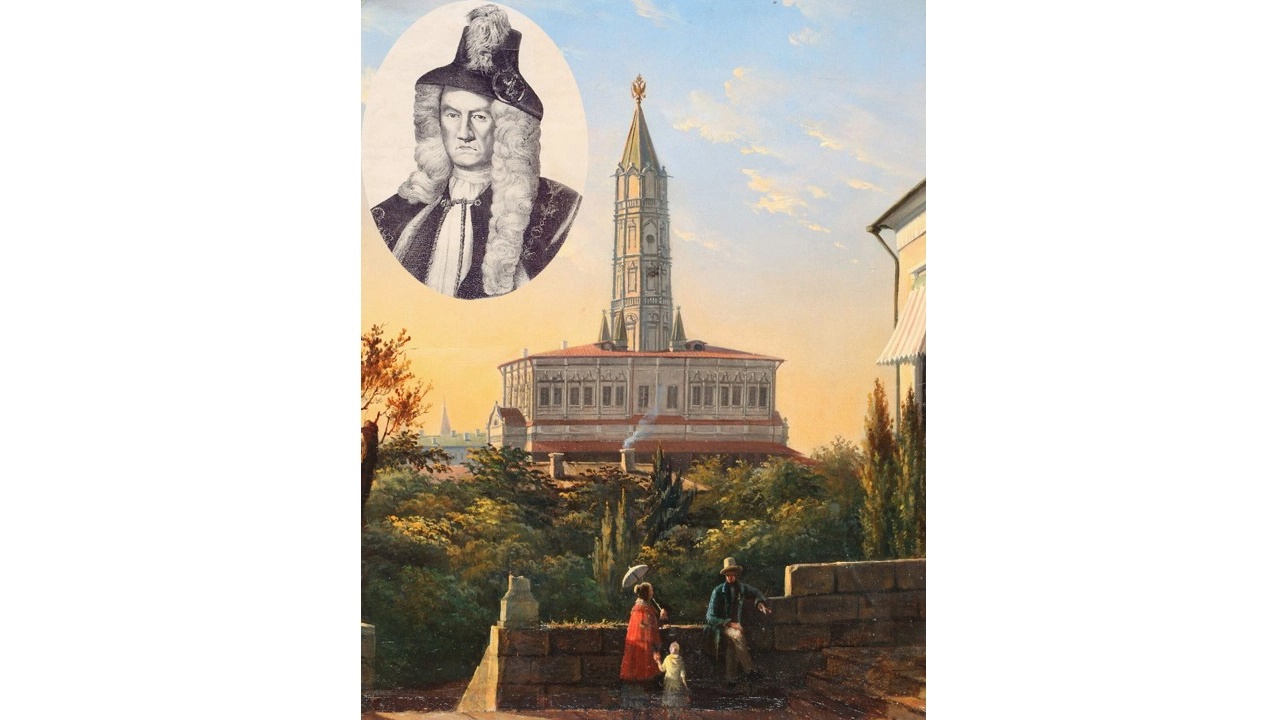
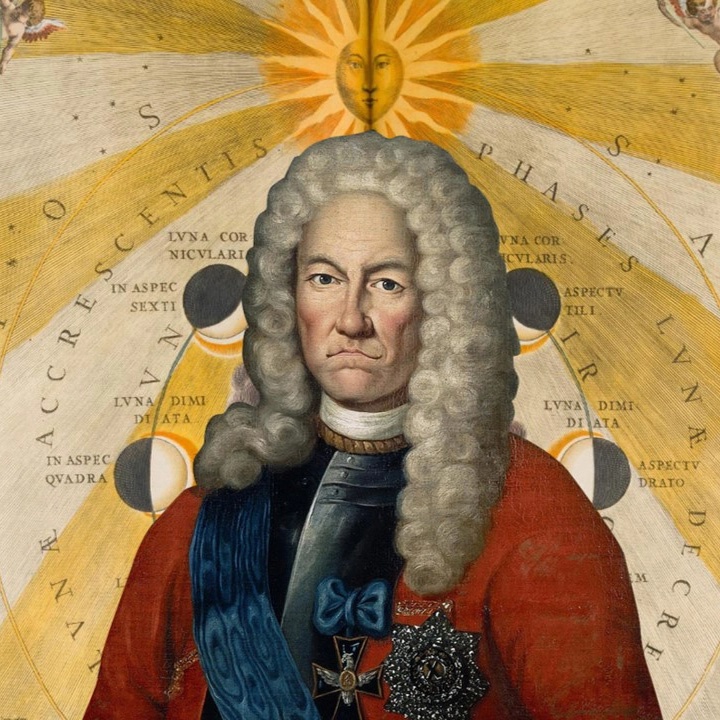
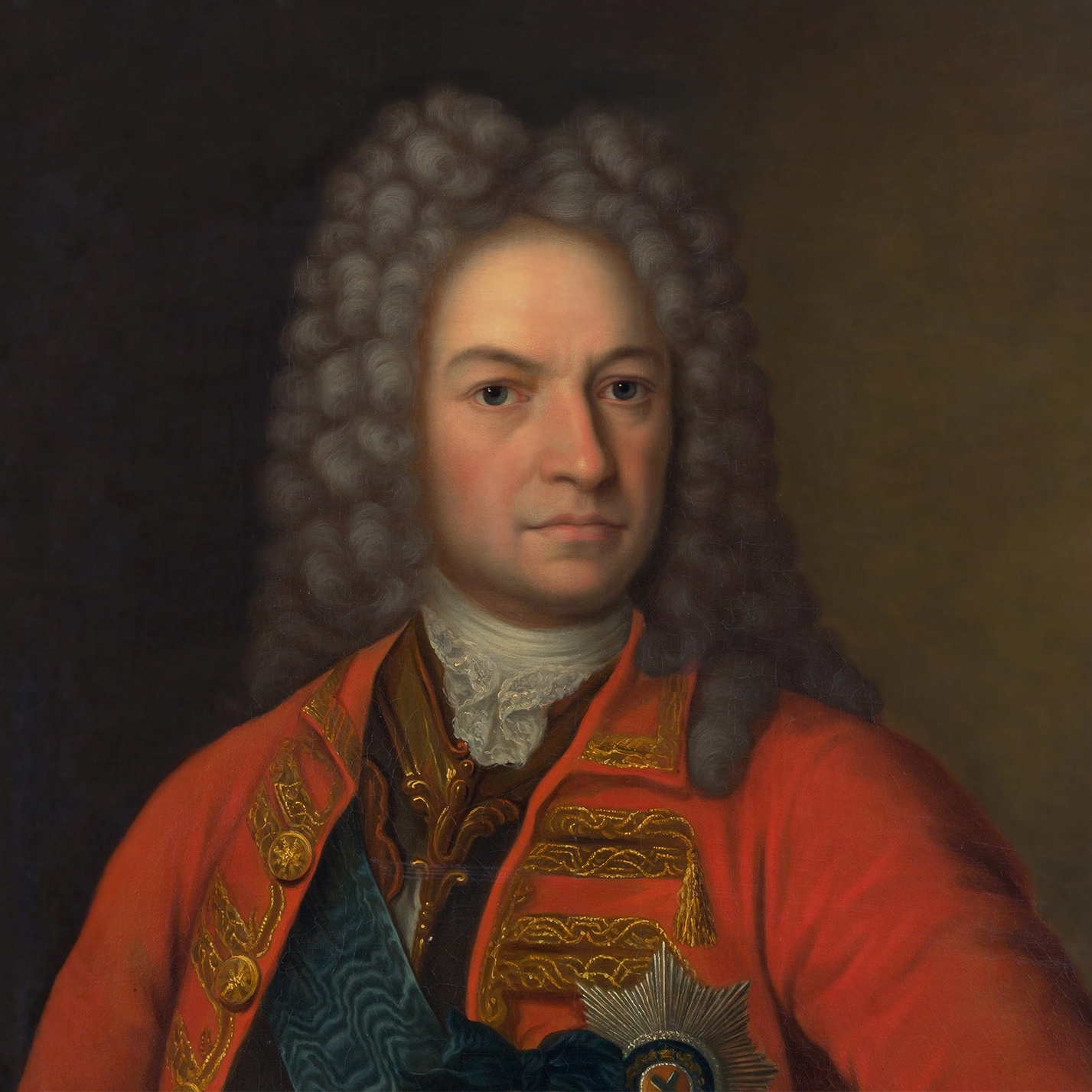
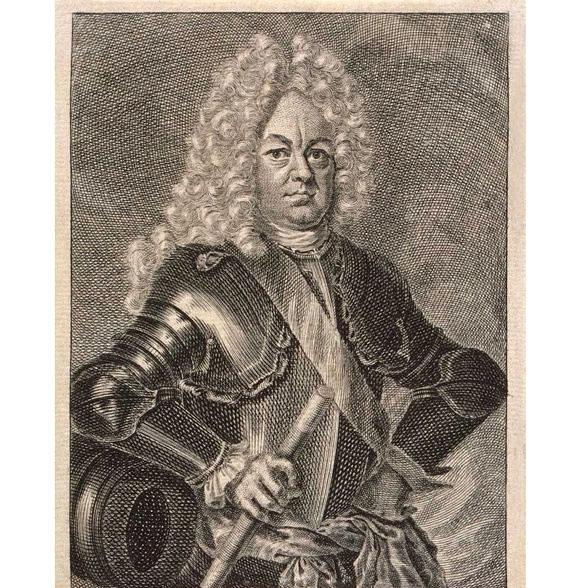
A new large-scale project of the Moscow Kremlin Museums is dedicated to one of the most luminous and enlightened persons of the Peter’s epoch, the closest comrade and like-minded man of Peter the Great – James Bruce who had brilliantly approved himself on different services to the Fatherland: as a military engineer, fortifier, cartographer, ship builder, military commander, reformer of the Russian artillery, diplomat, senator, president of the Berg and Manufactures Collegia, governor of the Mint, scholar, researcher, and enlightener.
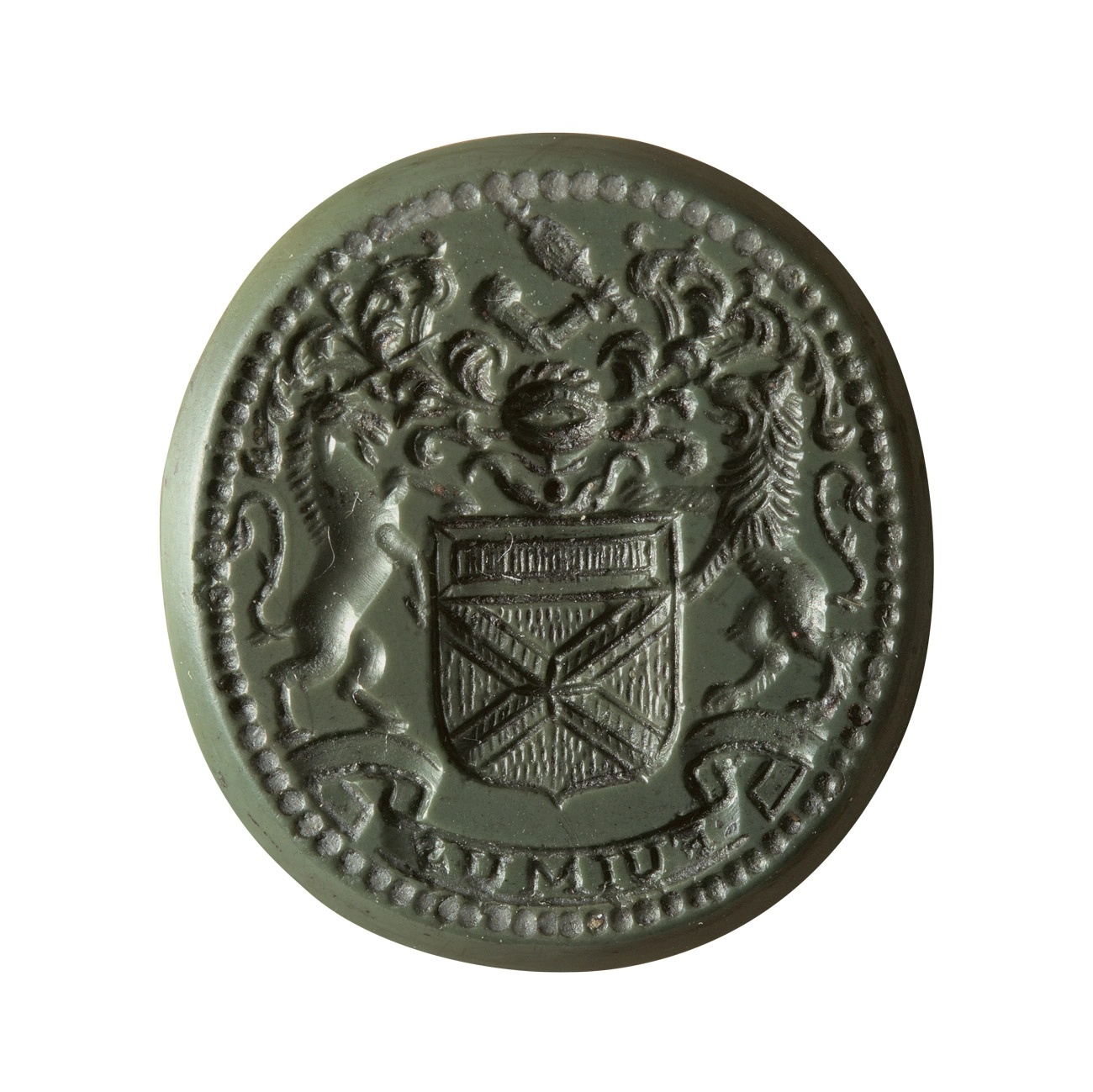
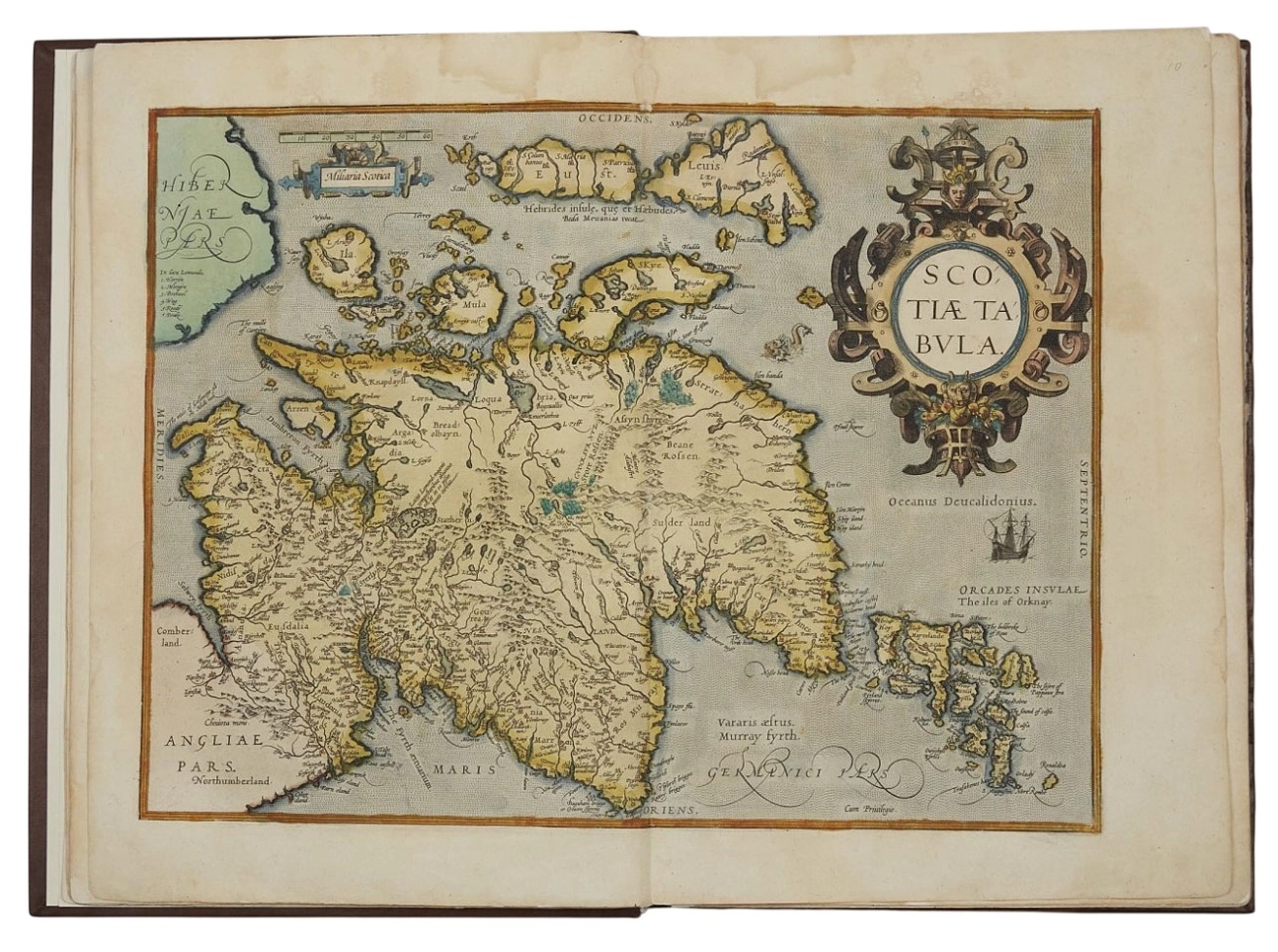
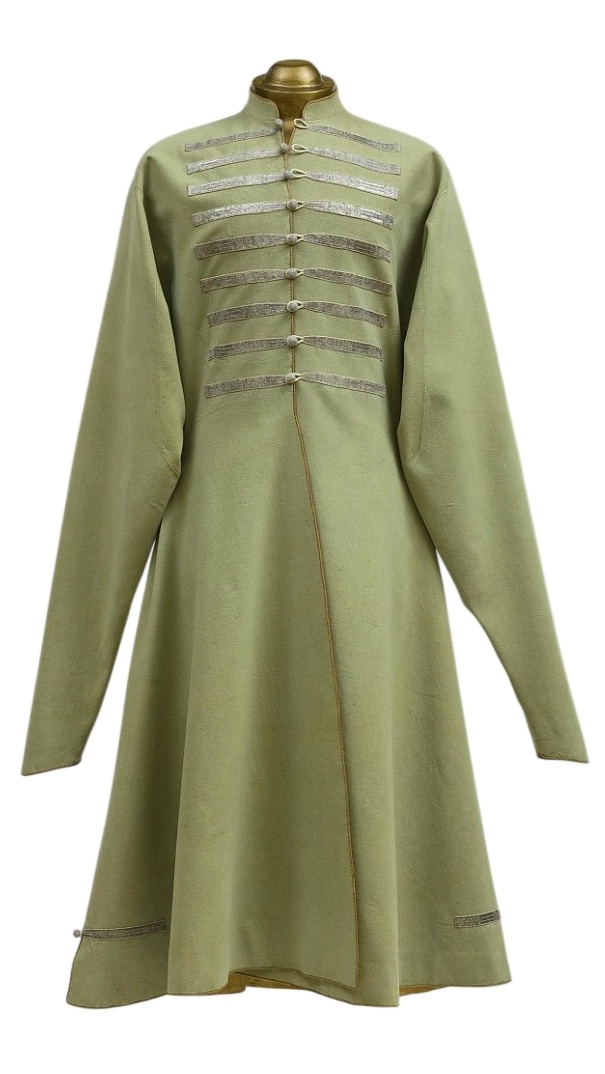
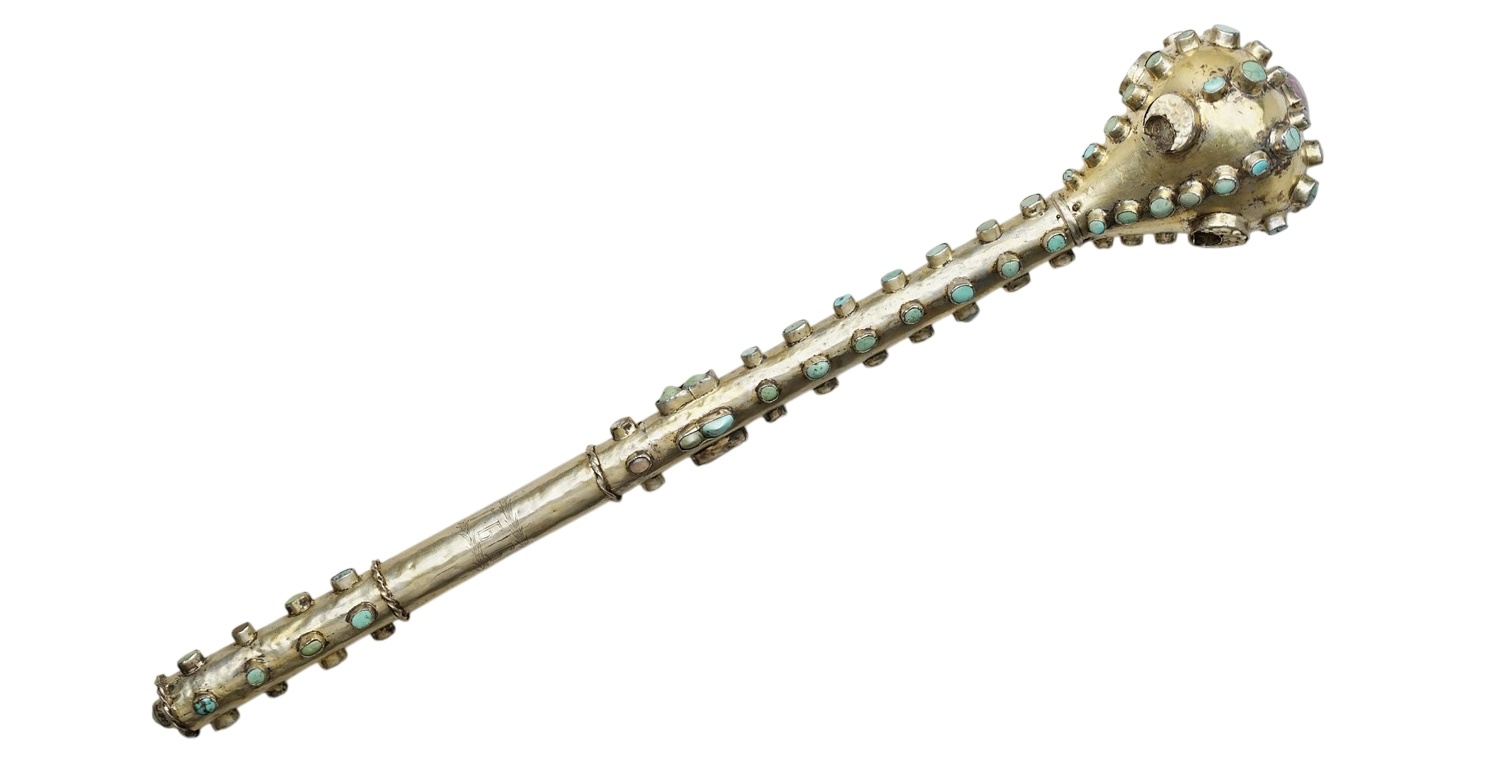
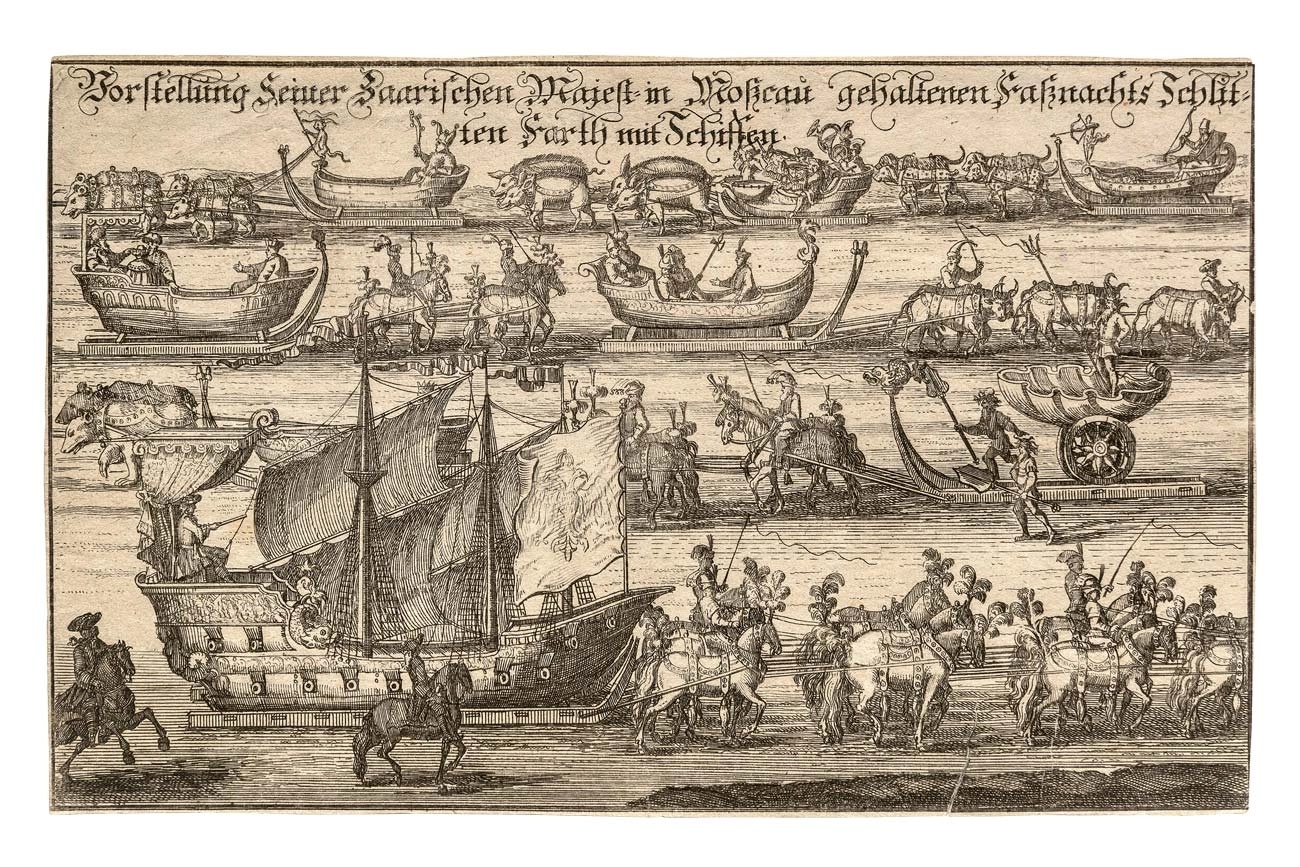
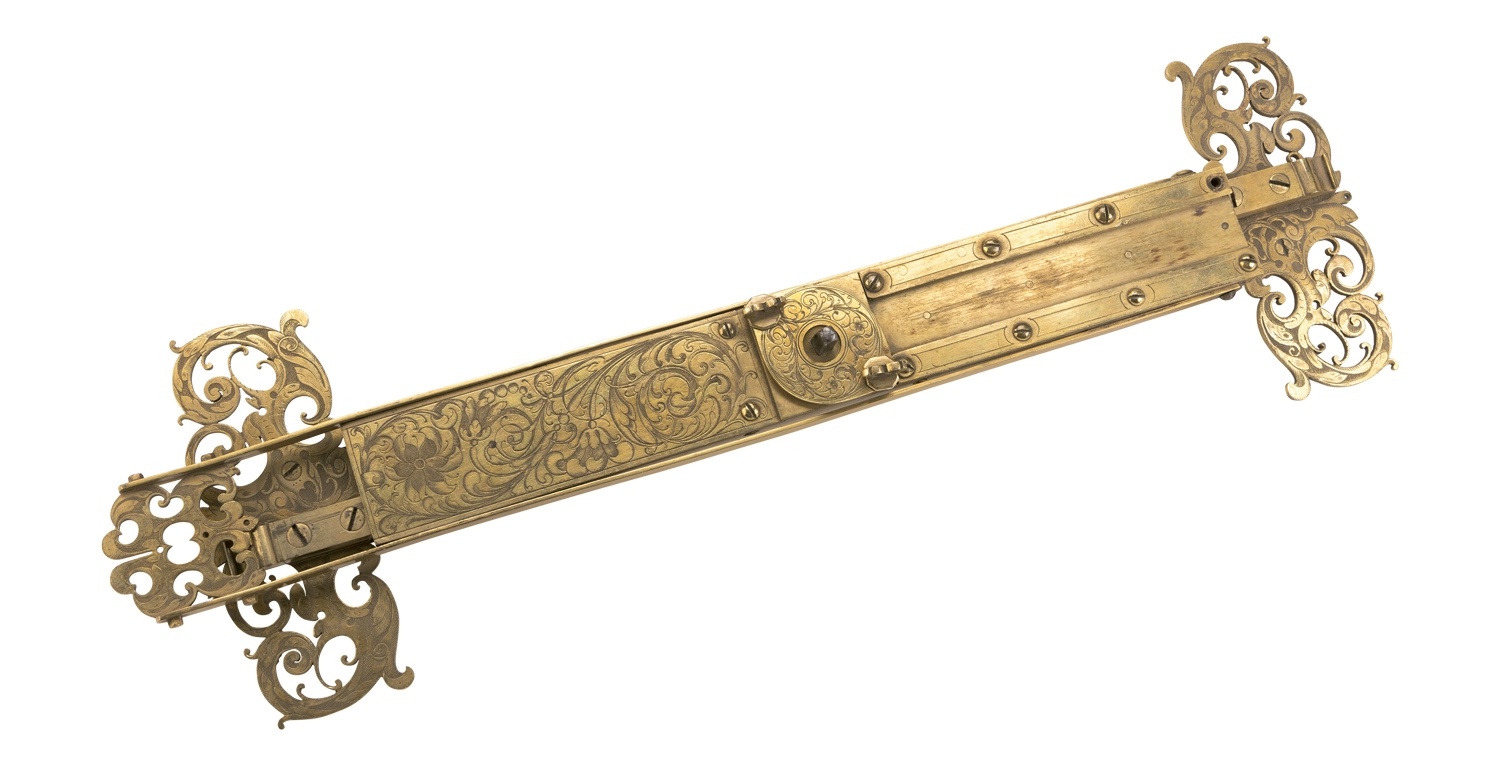
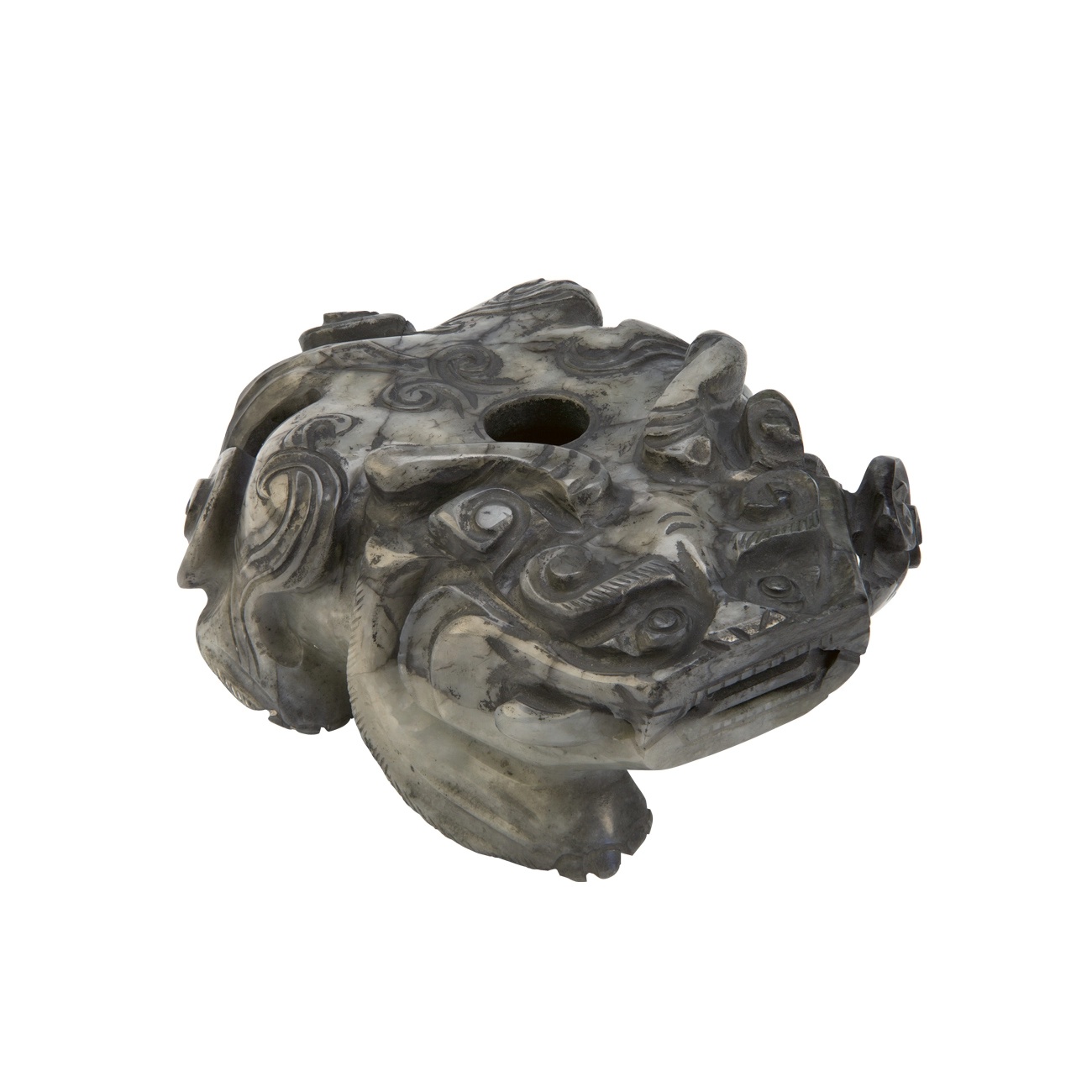
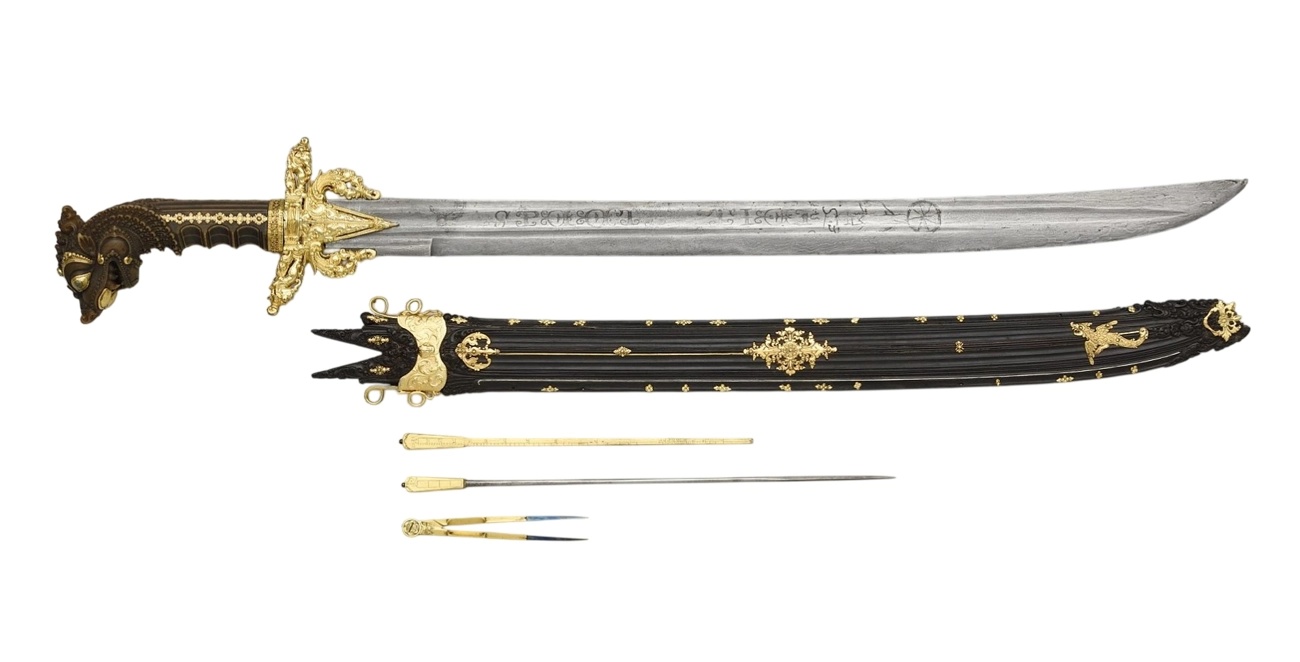
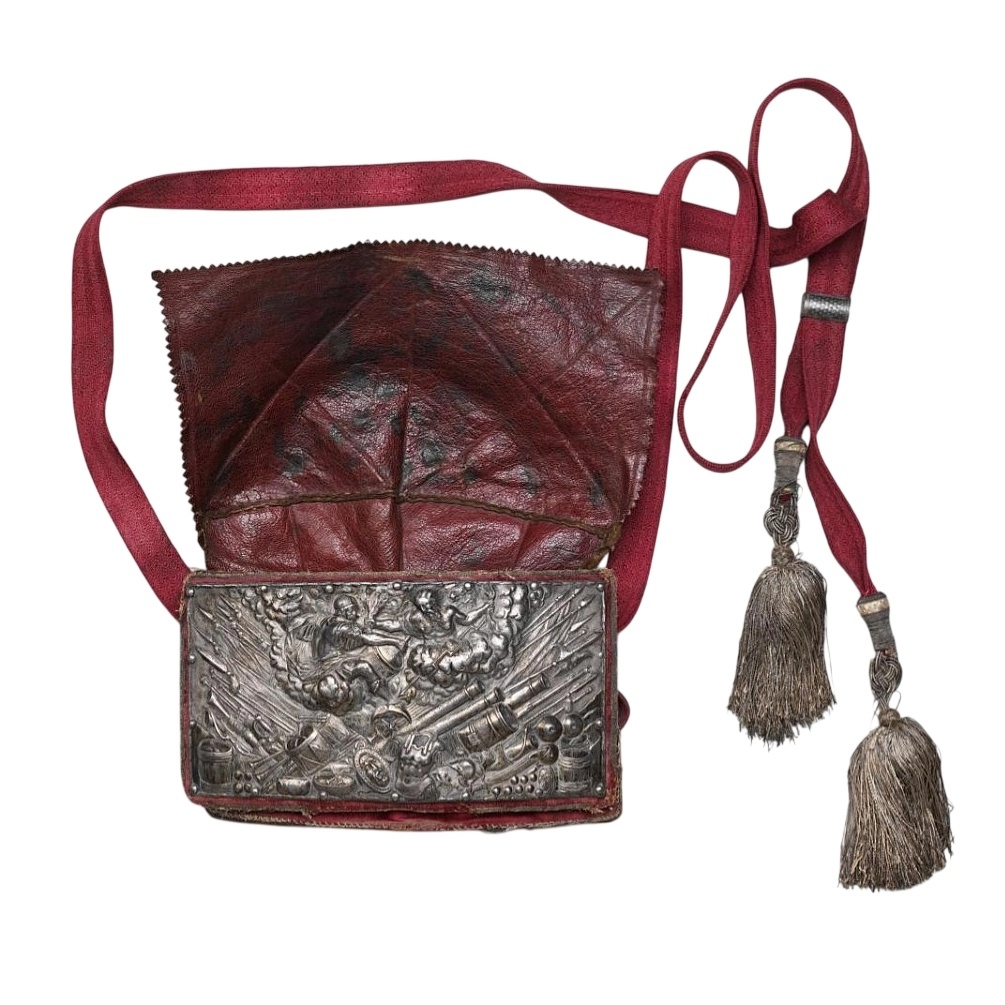
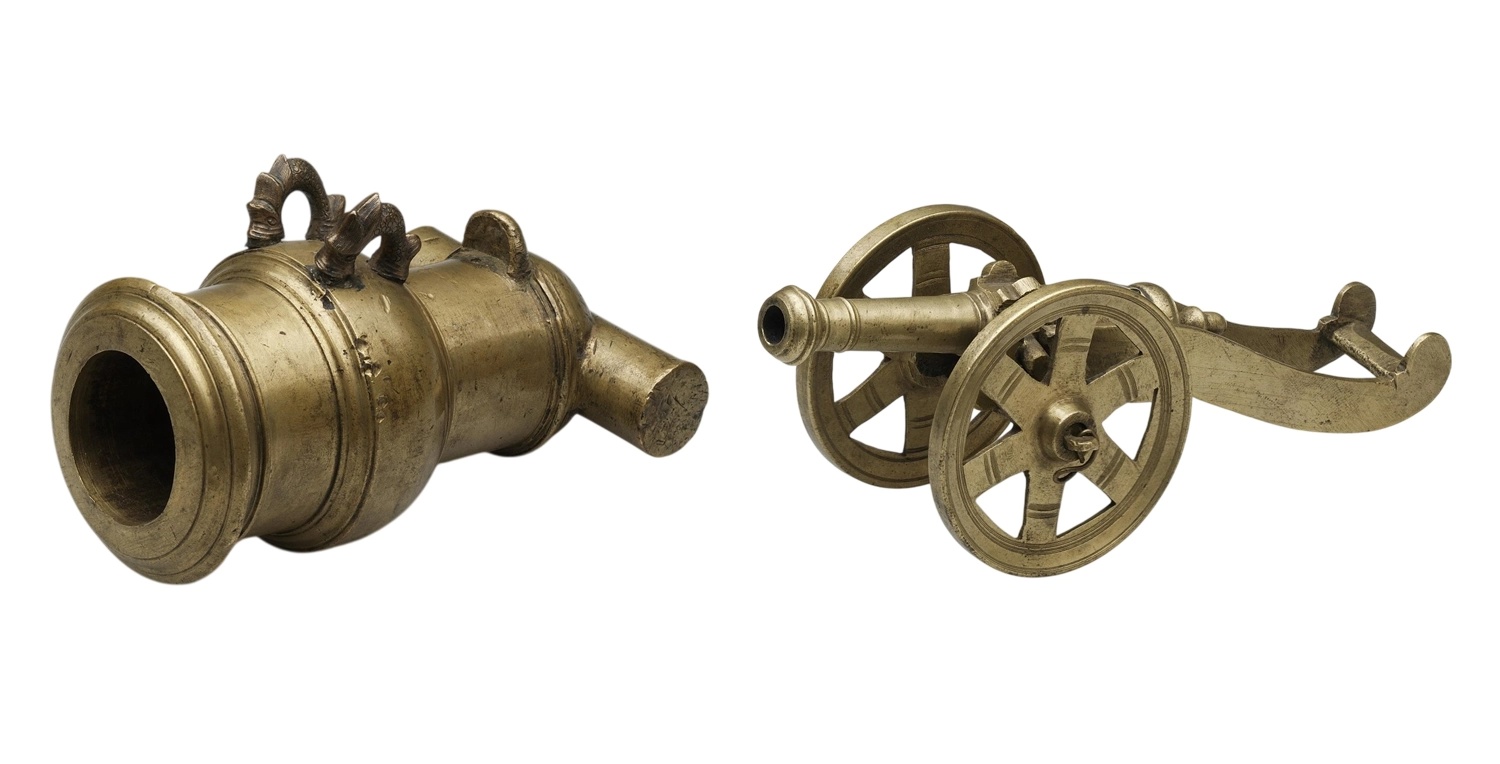
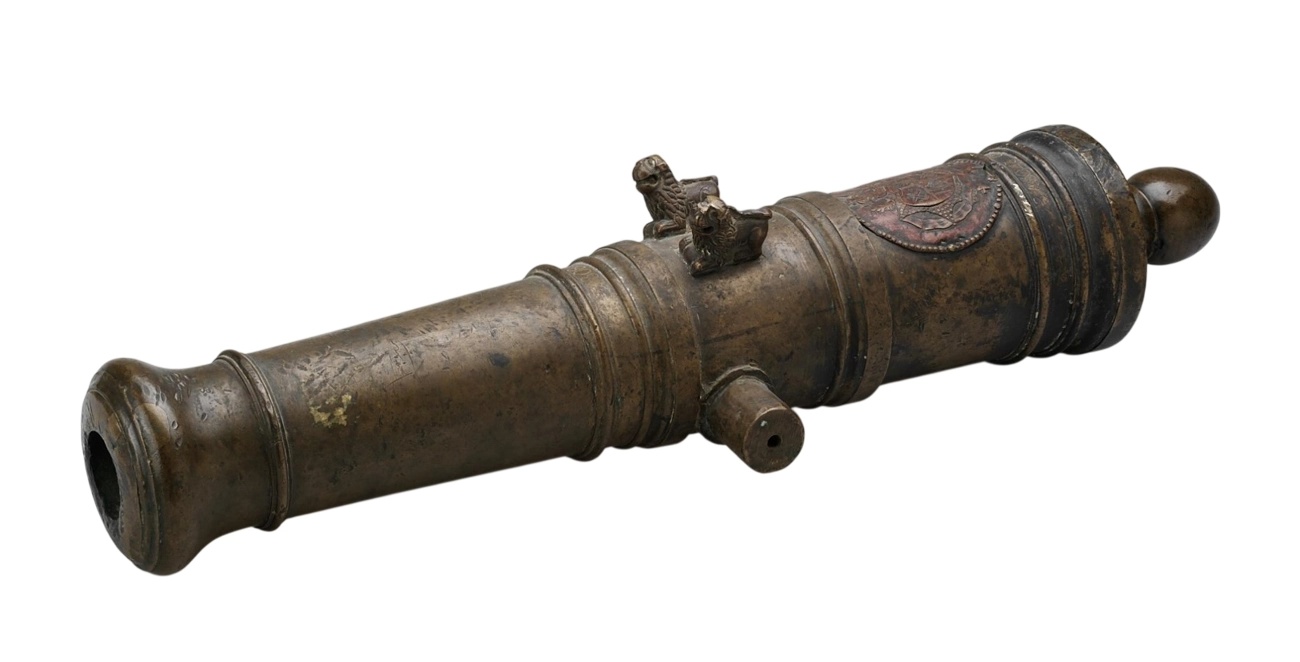
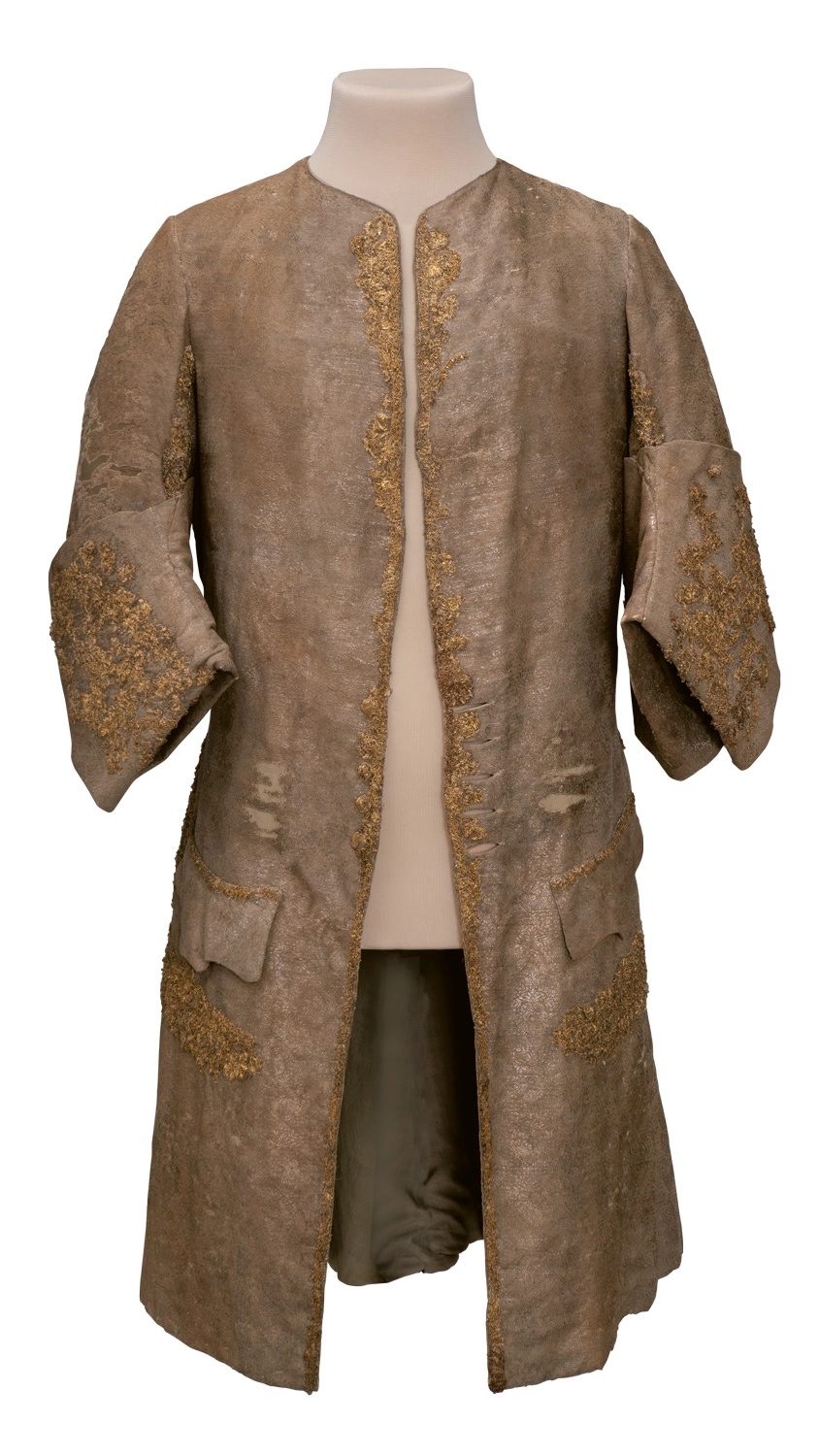
Two exhibition halls – in the Patriarch’s Palace and the Assumption Belfry – host more than 300 objects from major Russian museums, archives, and libraries as well as private collections; some of them will appear on display for the first time. The visitors will see the unique objects of the Petrine era: samples of weapons, paintings and graphics, original documents and geographic maps, scientific instruments and costumes, orders and commemorative medals. Among the memorial items of Count Bruce, the most valued are the rarities from his Chinese collection and books from his library, as well as a series of 32 intaglios with portraits of Russian princes and tsars, exposed for the first time. The series was created on Bruce's order of the dark-green Transbaikal jasper.
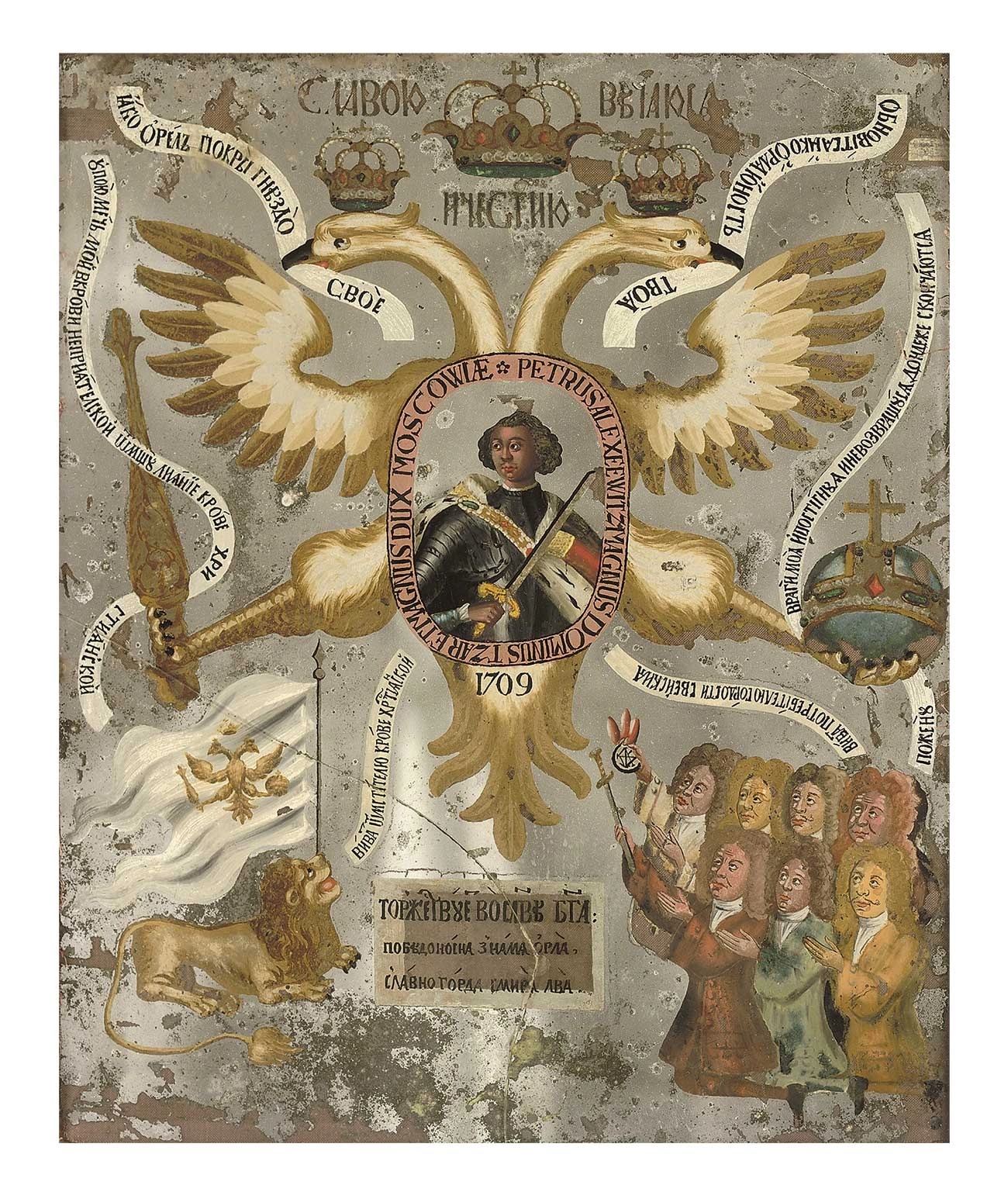
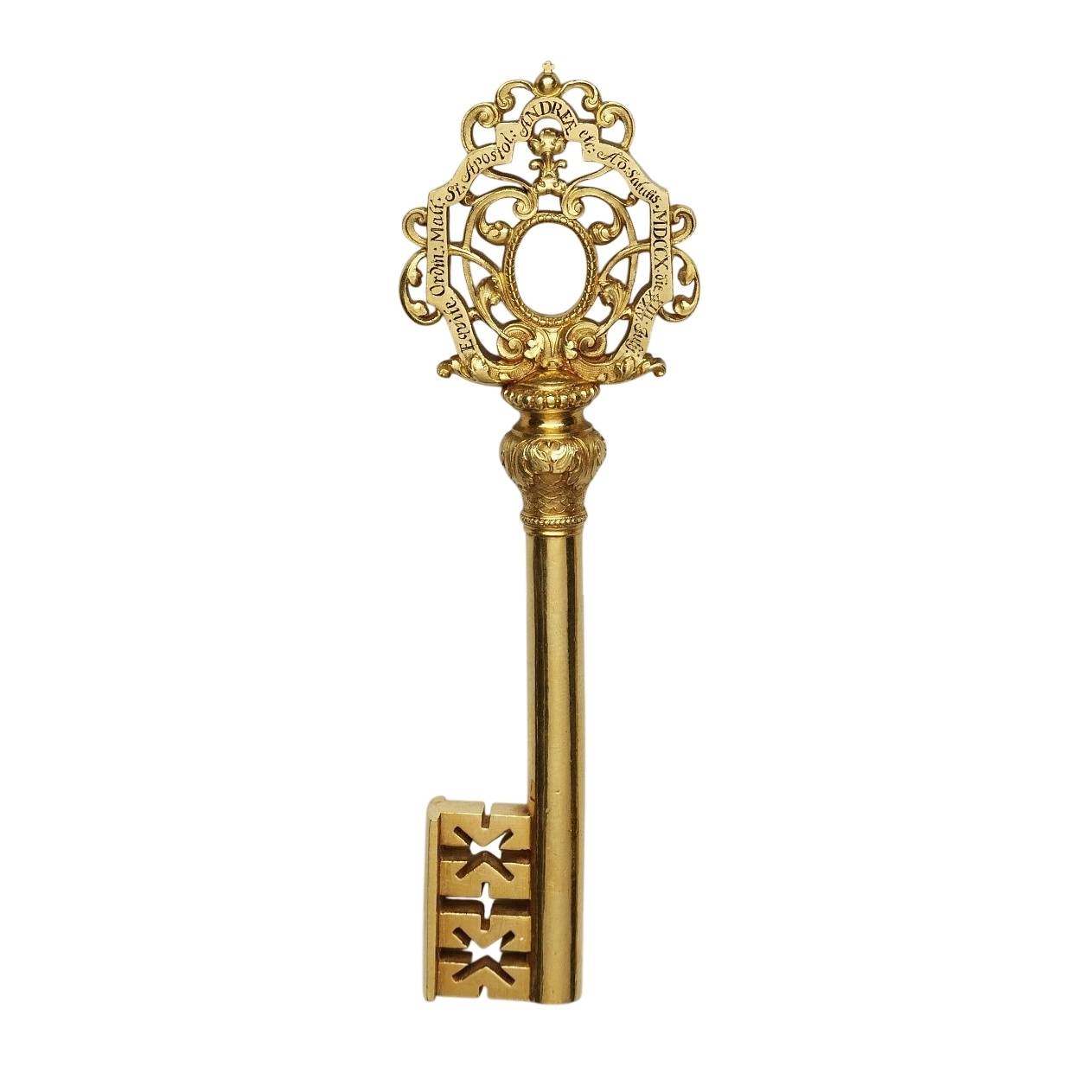
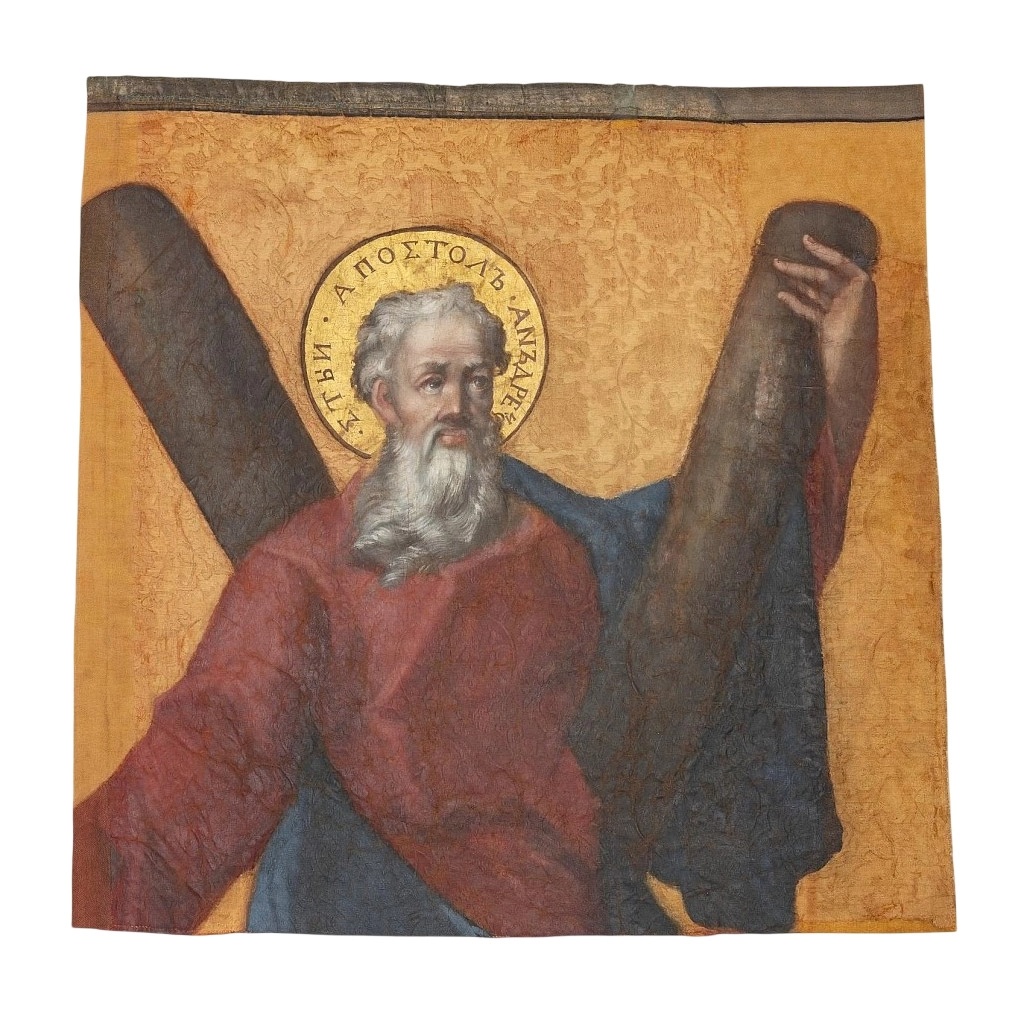
The first hall, entitled “Under the Auspices of St Andrew”, illustrates the military and political career of “the Russian Scotsman” against the background of events happening during the stormy Petrine era in which he played a direct role.
James Daniel Bruce, named in Russia as Yakov Vilimovich, was a descendent of the ancient Scottish clan. He spent his childhood in the Nemetskaya Sloboda in Moscow. Serving at the command of Scottish General Patrick Gordon, he became good friends with young Peter I. The sovereign included him in the Grand Embassy to Europe in 1697-1698, during which Bruce got acquainted with famous European scholars and politicians. Being a trusted associate of the tsar, he recruited specialists for the Russian service, studied advanced technologies, purchased books and scientific instruments. This journey laid the foundation for his worldview and the widest academic interests.
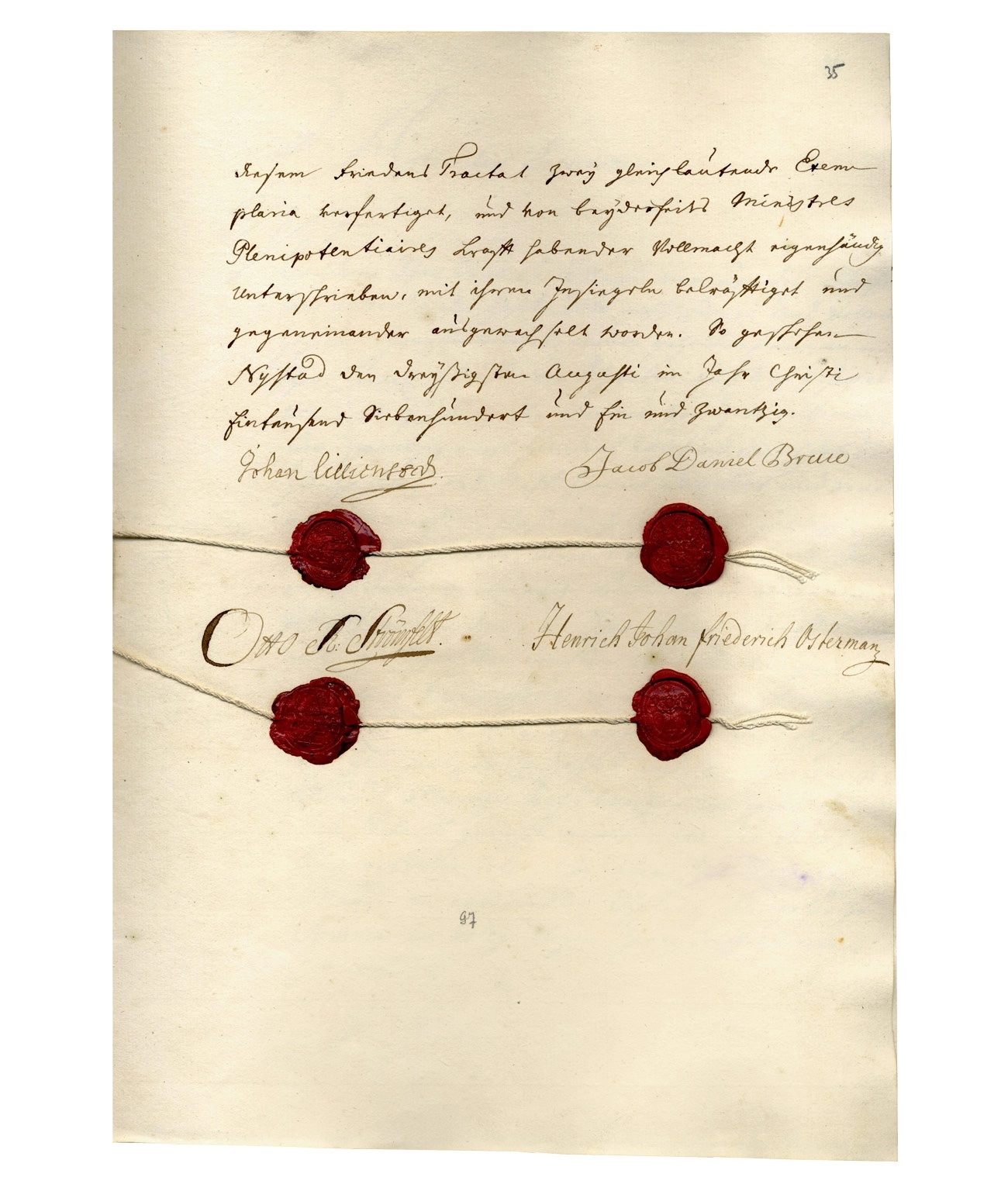
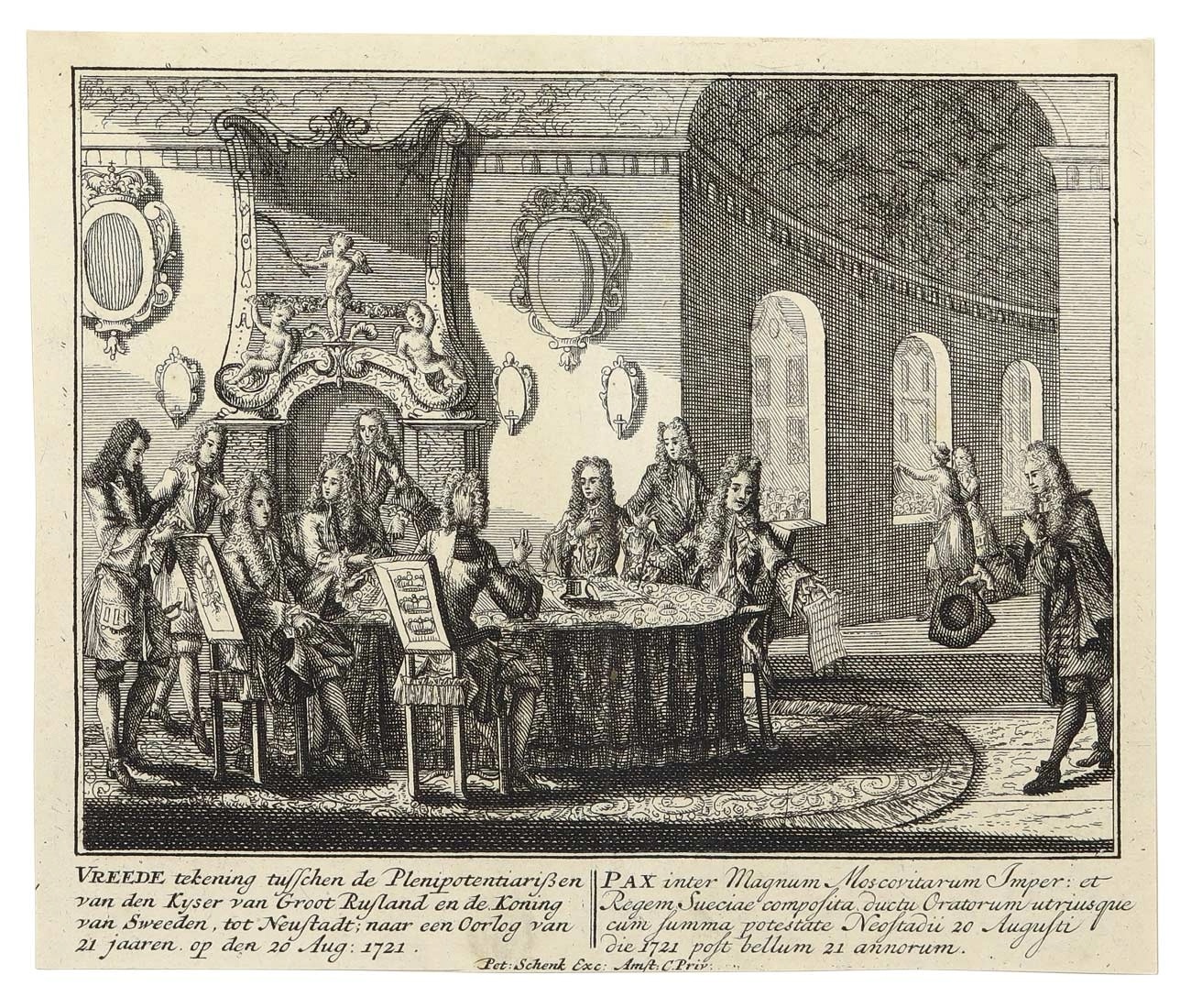
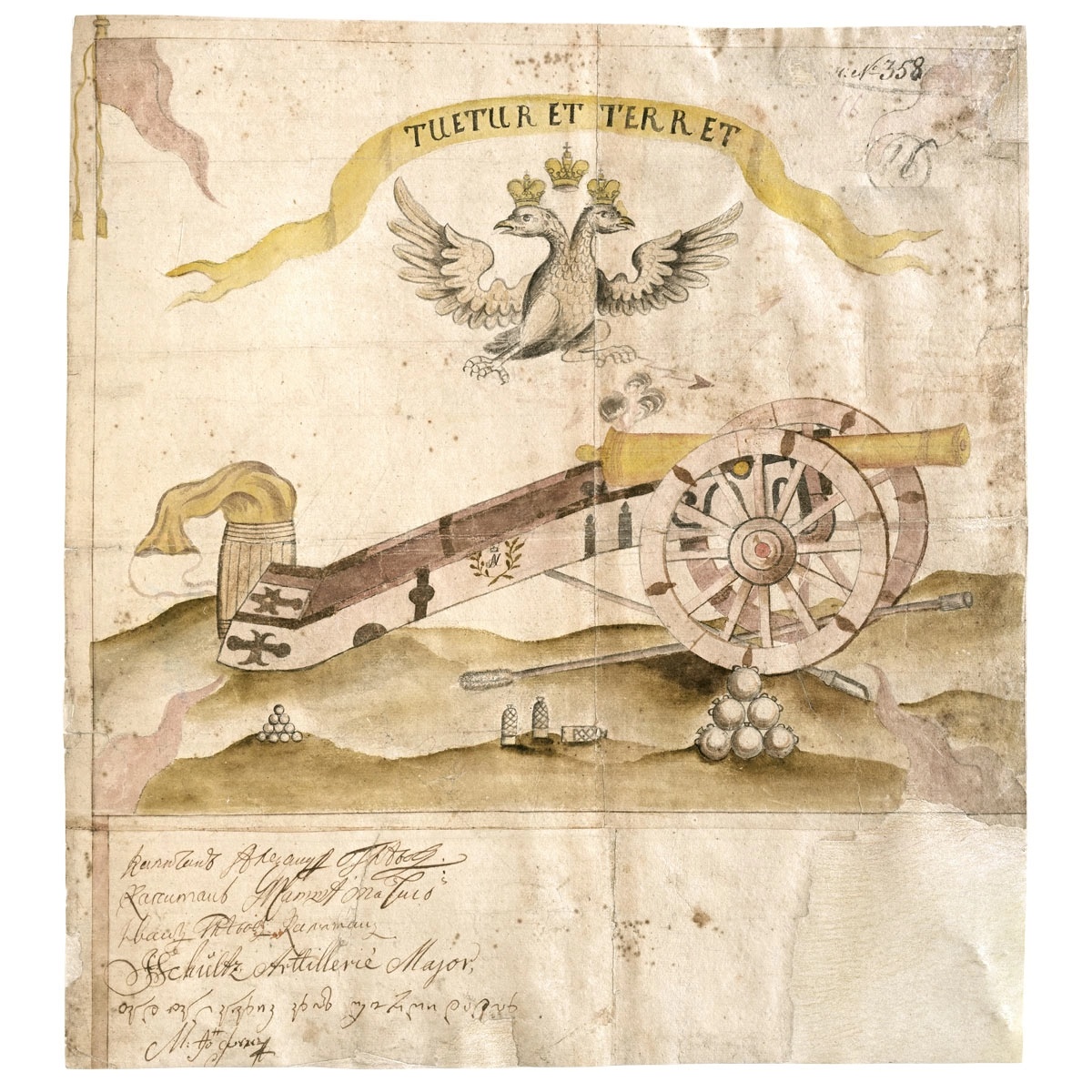
During the years of the Northern War, James Bruce reformed the Russian artillery, having made it the strongest in Europe. His skillful management of artillery forces became one of the key factors for the victory over Sweden. As a diplomat, Bruce participated in the negotiations to end the Northern War and put his signature to the Treaty of Nystad that allowed Peter I to acquire the title of Emperor and announce Russia the Empire.
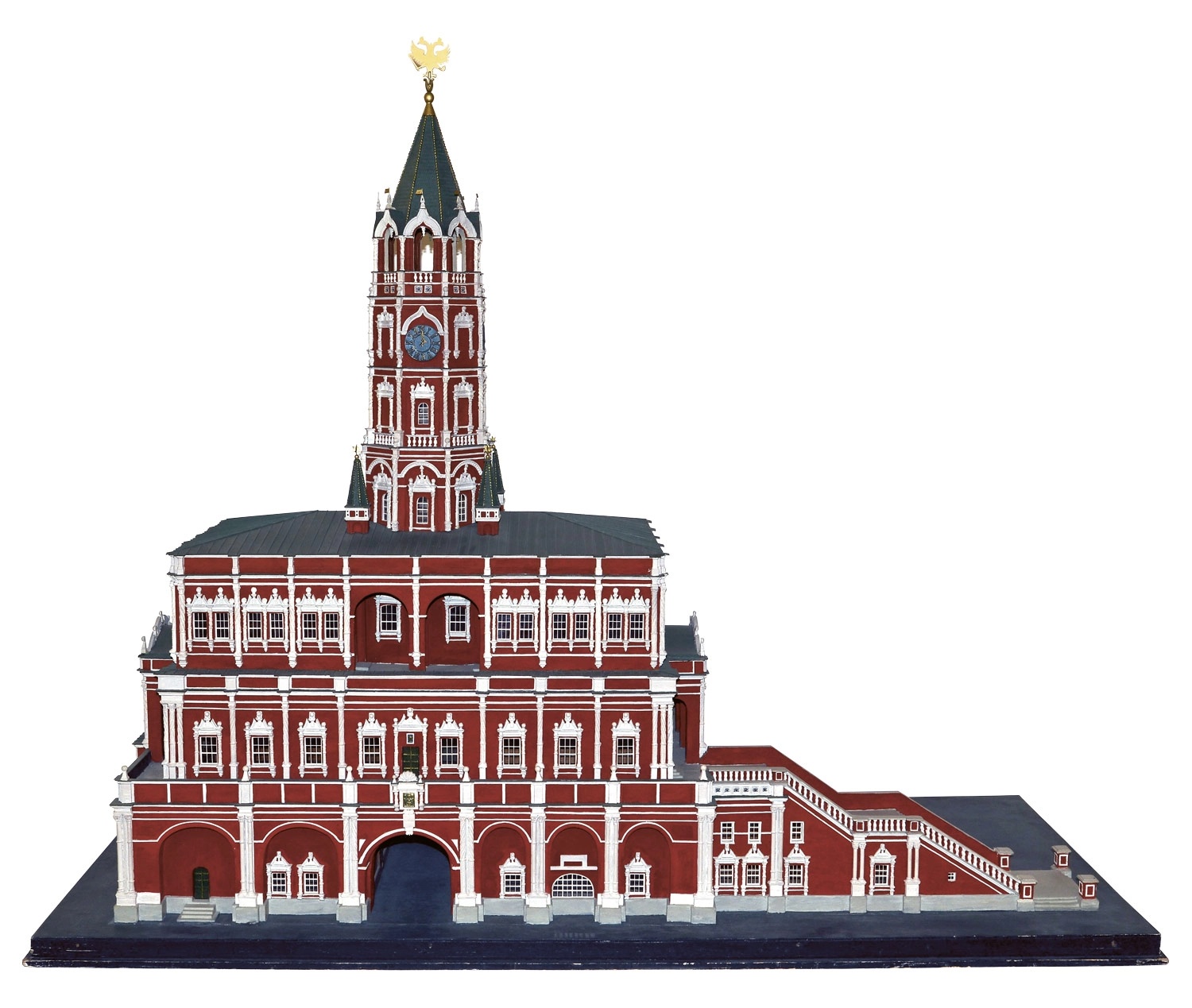
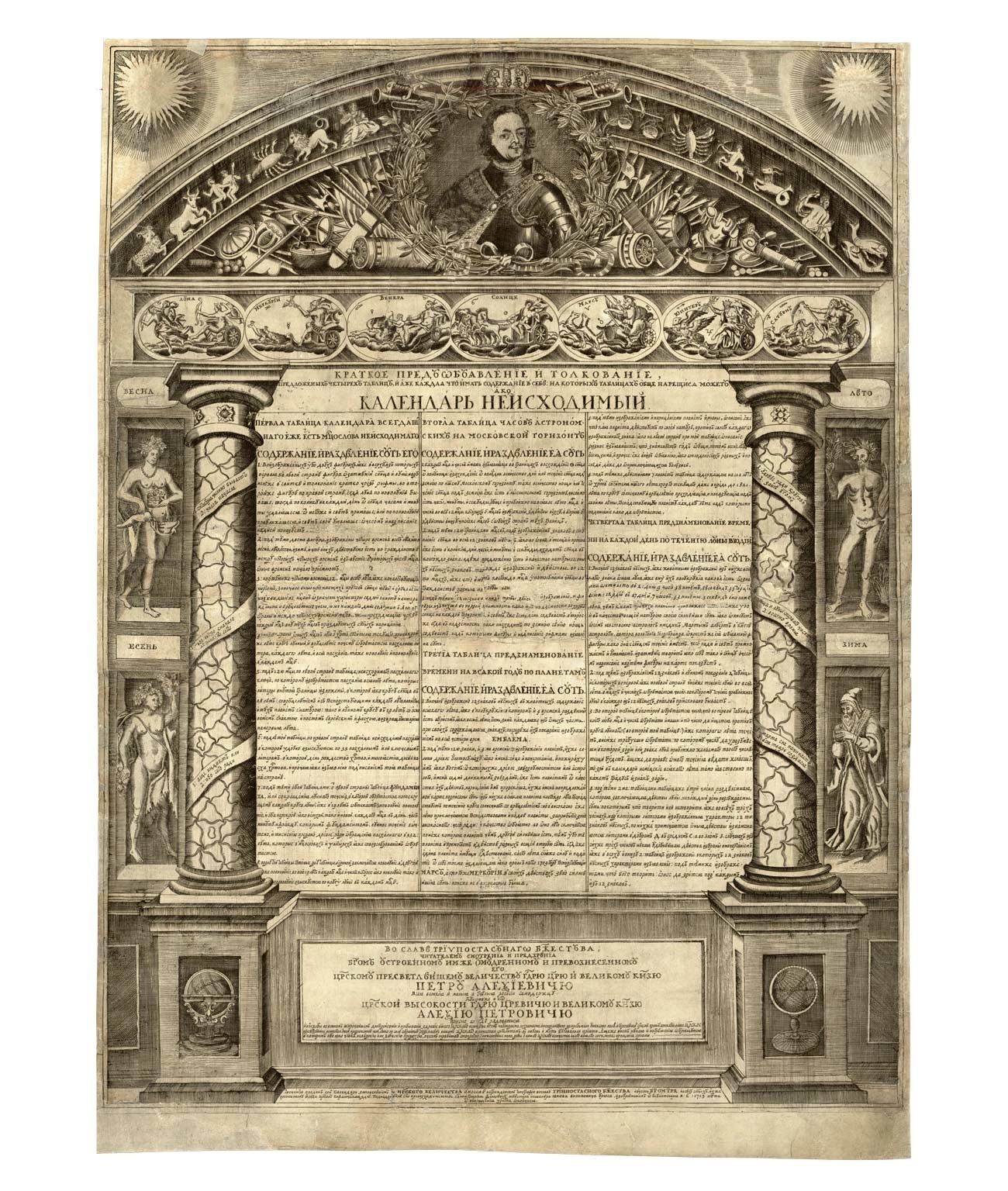
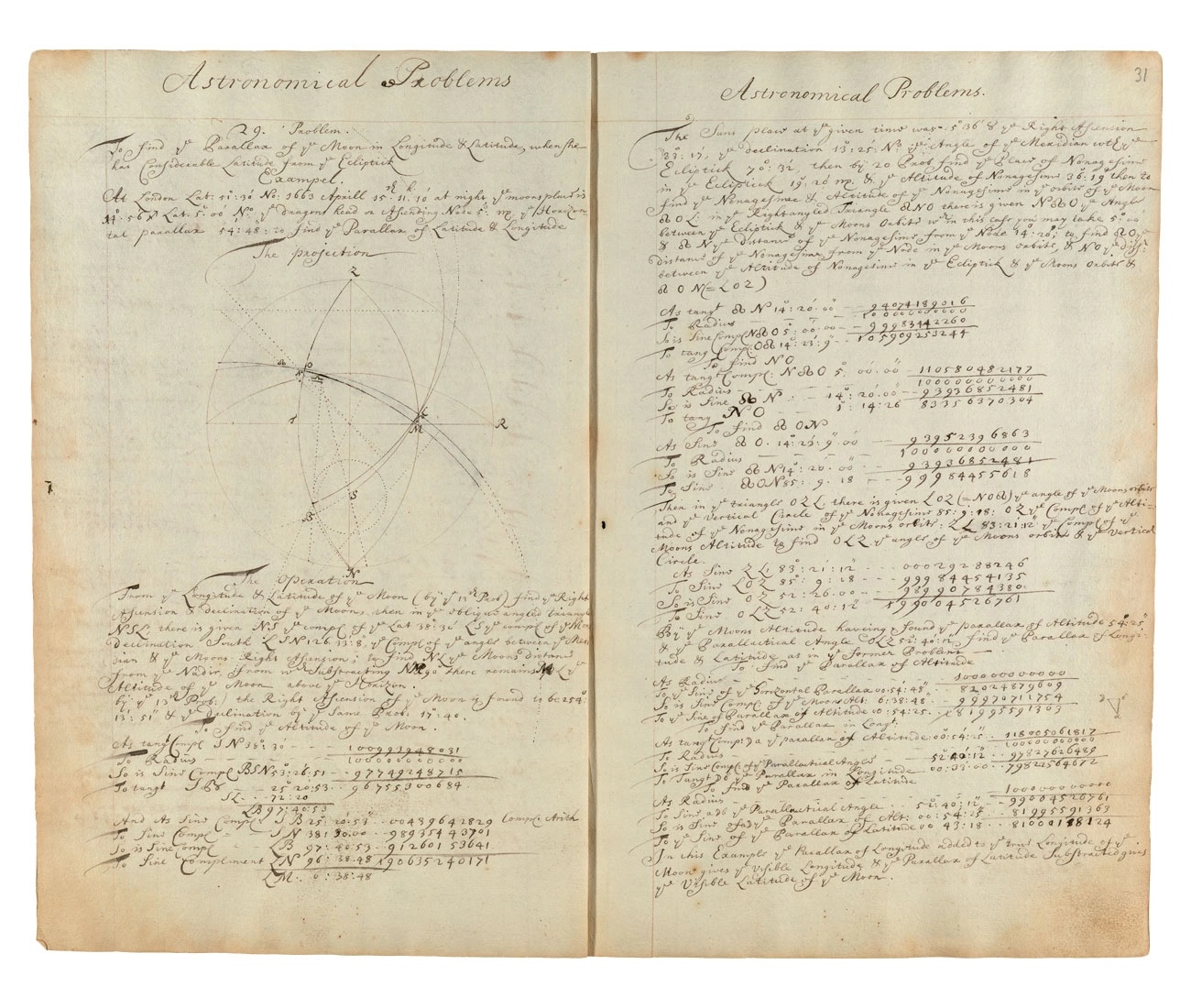
Bruce’s contribution to the development of science and enlightenment in Russia can hardly be overestimated. He popularized the achievements of scientific revolution, founded the School of Mathematics and Navigation in Moscow that incorporated the first in Russia observatory, led the civil typography, edited and translated multiple publications on natural sciences, thus enhancing the formation of national academic language, coordinated the publication of the first society calendar named after him. Above all, he stood at the origins of Russian mining and metal industries, and carried out money reform.
As a connoisseur of West European ceremonial, James Bruce took part in organizing Catherine I’s coronation during which he was carrying the imperial crown on the cushion. In winter 1725, James Bruce headed the first established Mourning Commission that was preparing emperor’s funeral according to European traditions.
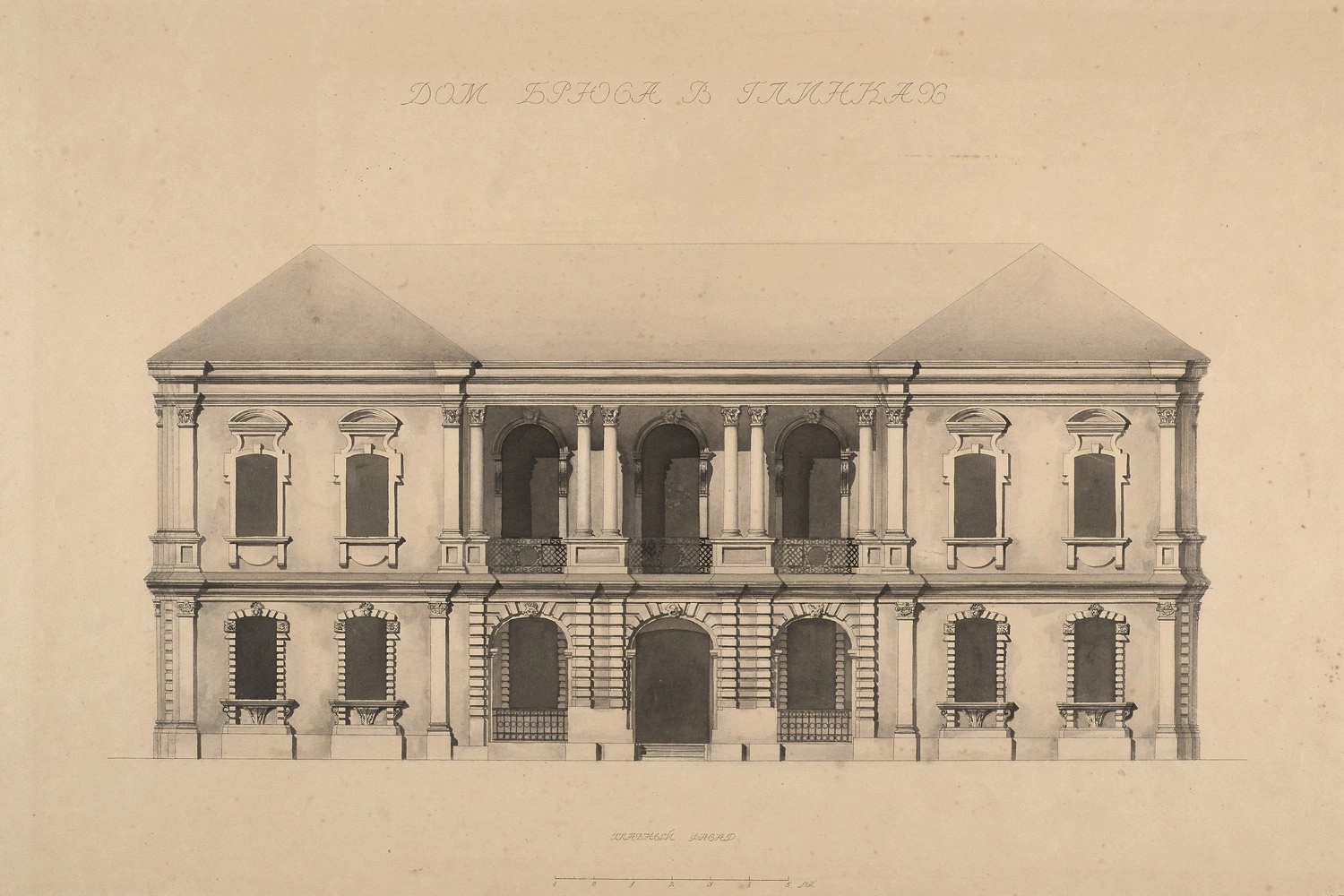
The second hall of the exhibition – “Bruce’s Universe” – is dedicated to intellectual world and scientific interests of Bruce. After retirement, he settled down in his estate “Glinki” outside Moscow and committed himself to this work. A special place in the exposition of the hall is given to his cabinet of “curiosities” that was one of the most significant collections in Russia of that time.
We hope guests of our exhibition will value what makes James Bruce’s personality so truly attractive to our contemporaries: which is his devotion to the Fatherland and insatiate desire to research the boundless world.