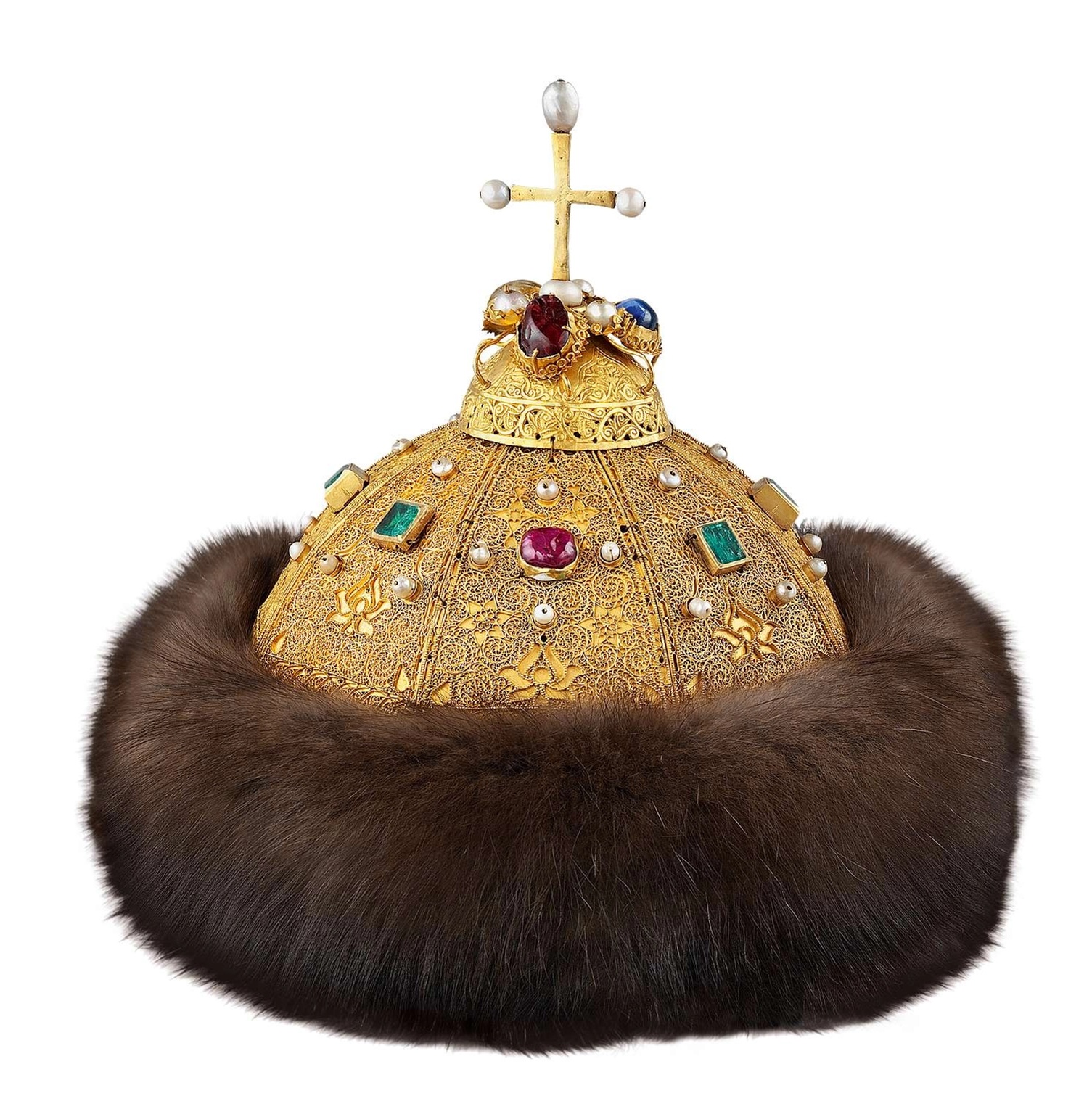
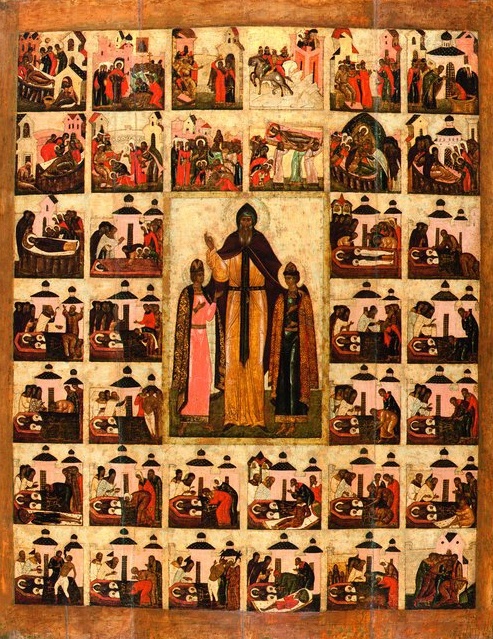
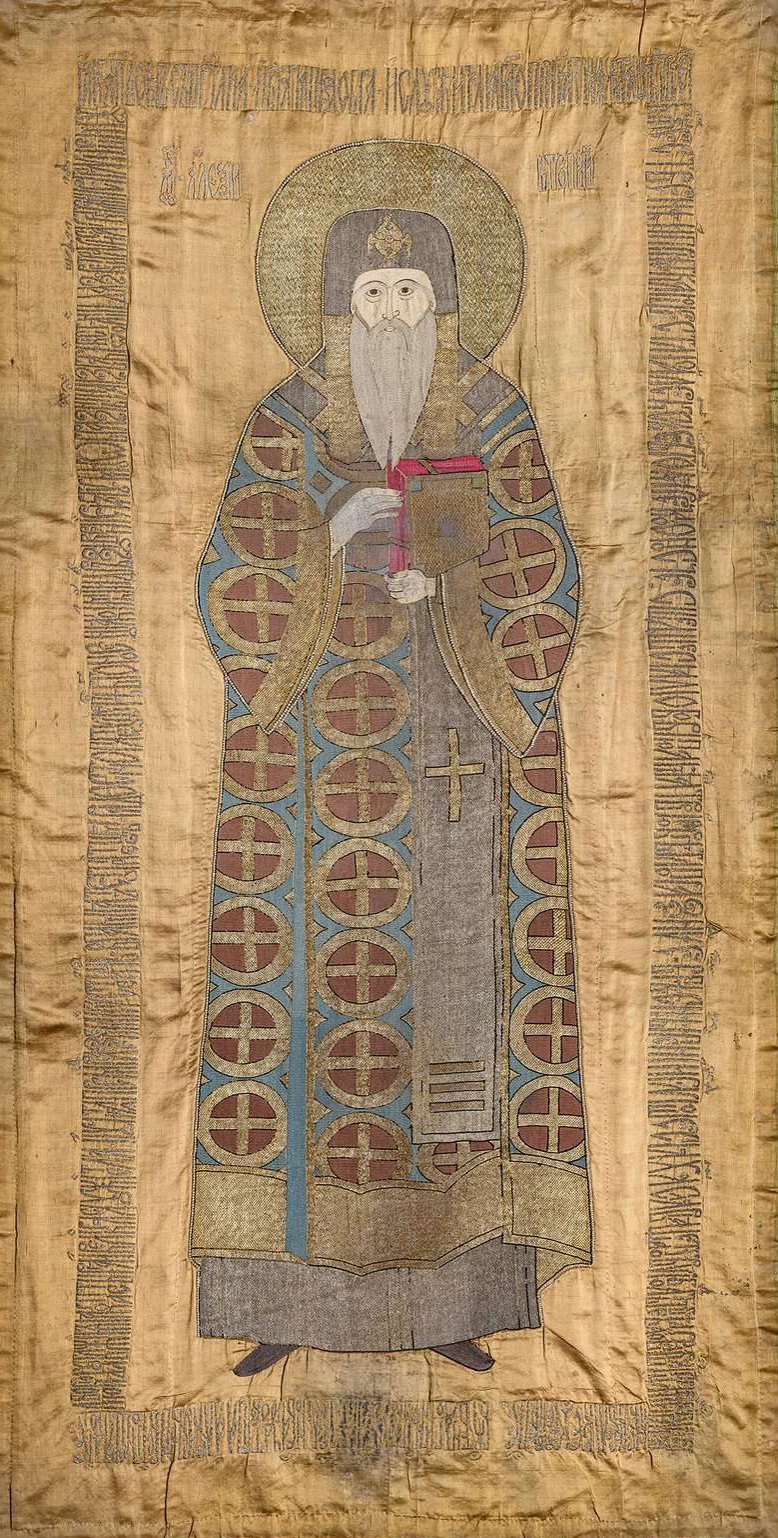
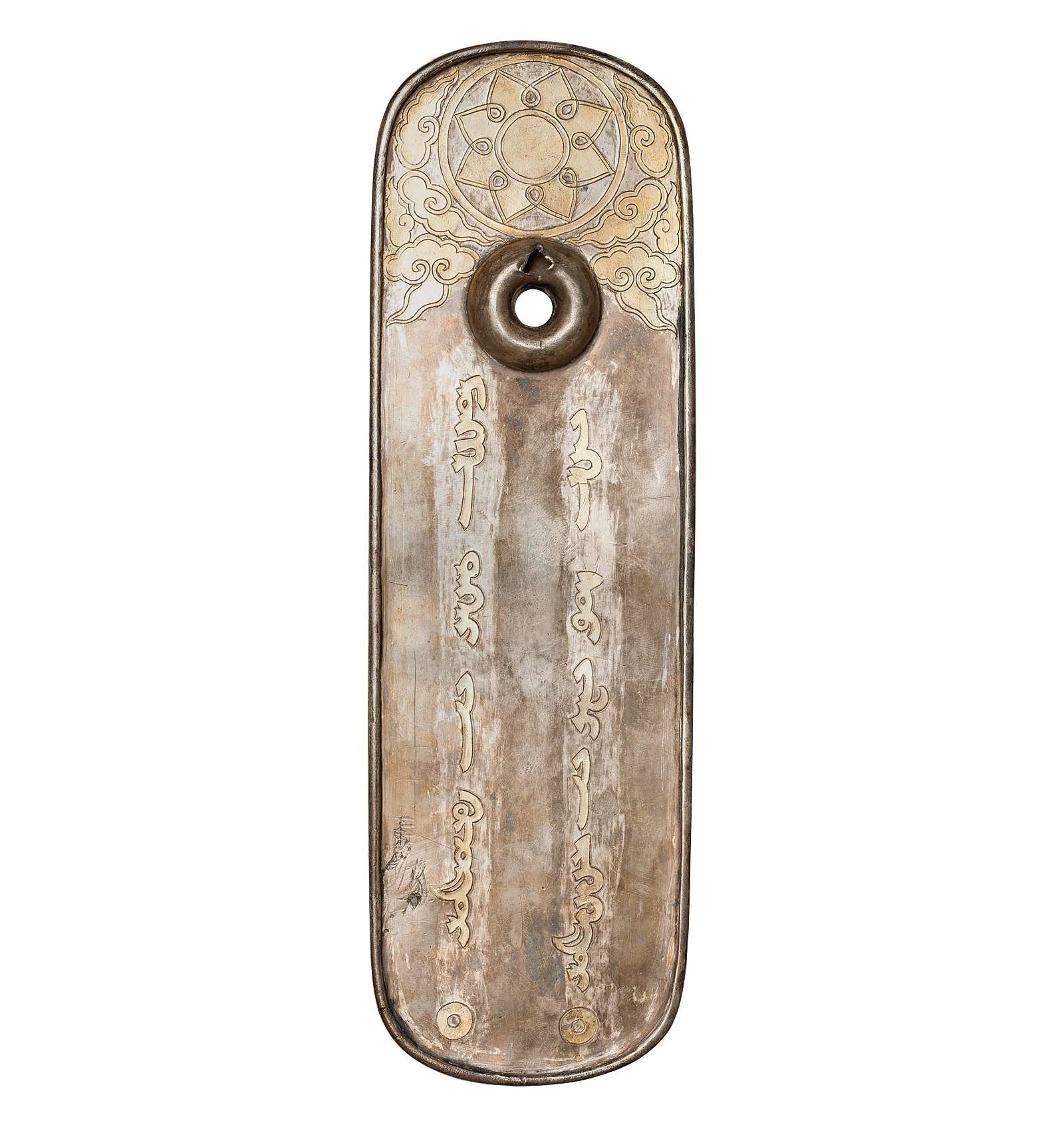
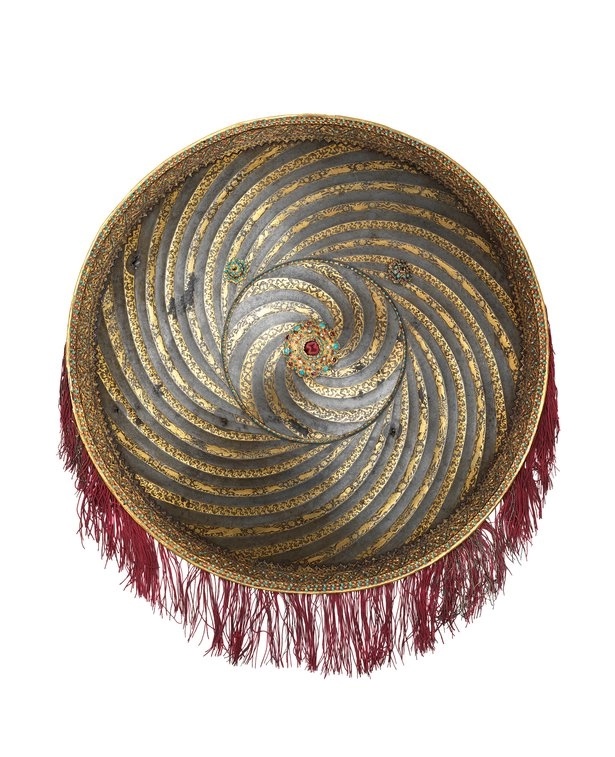
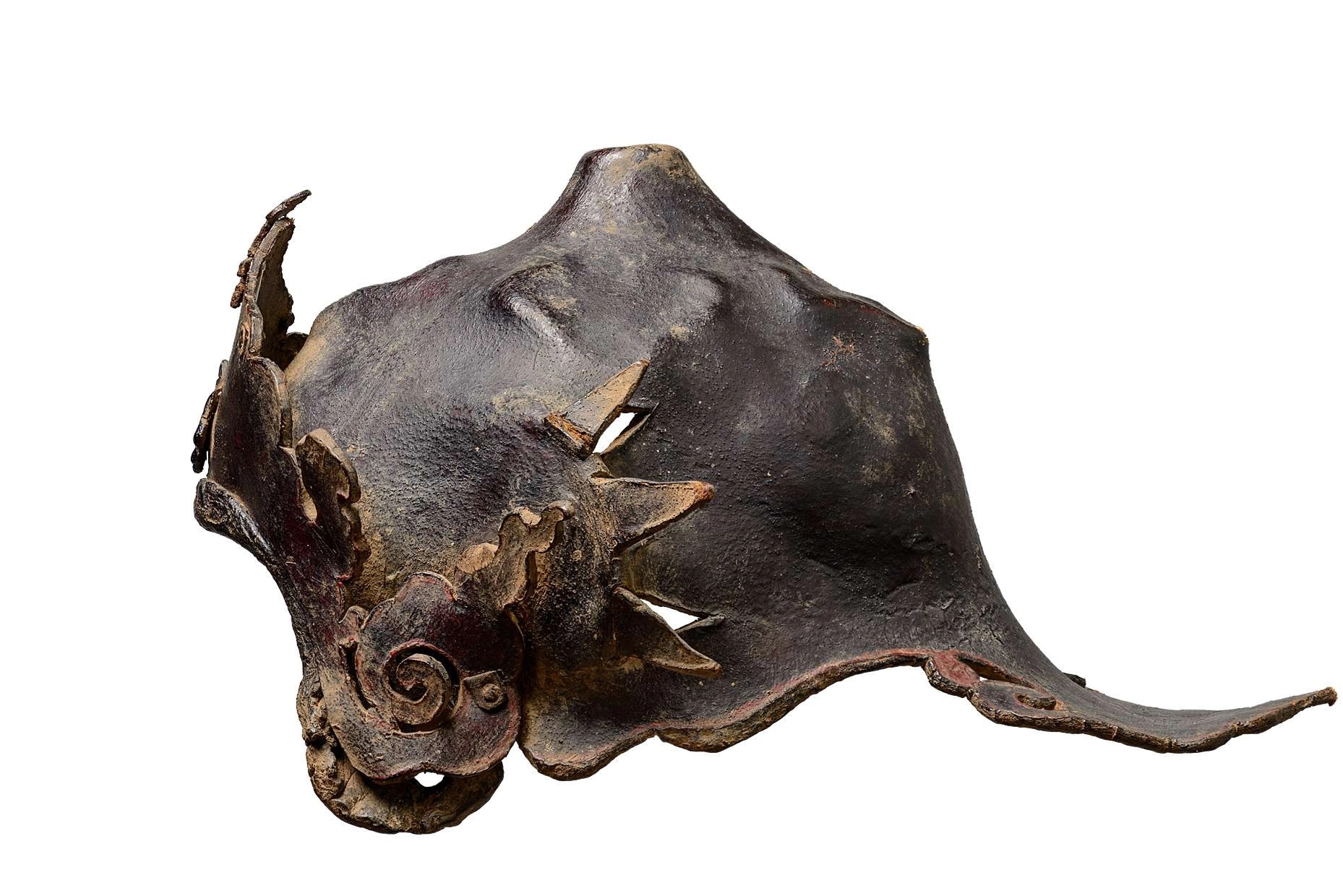
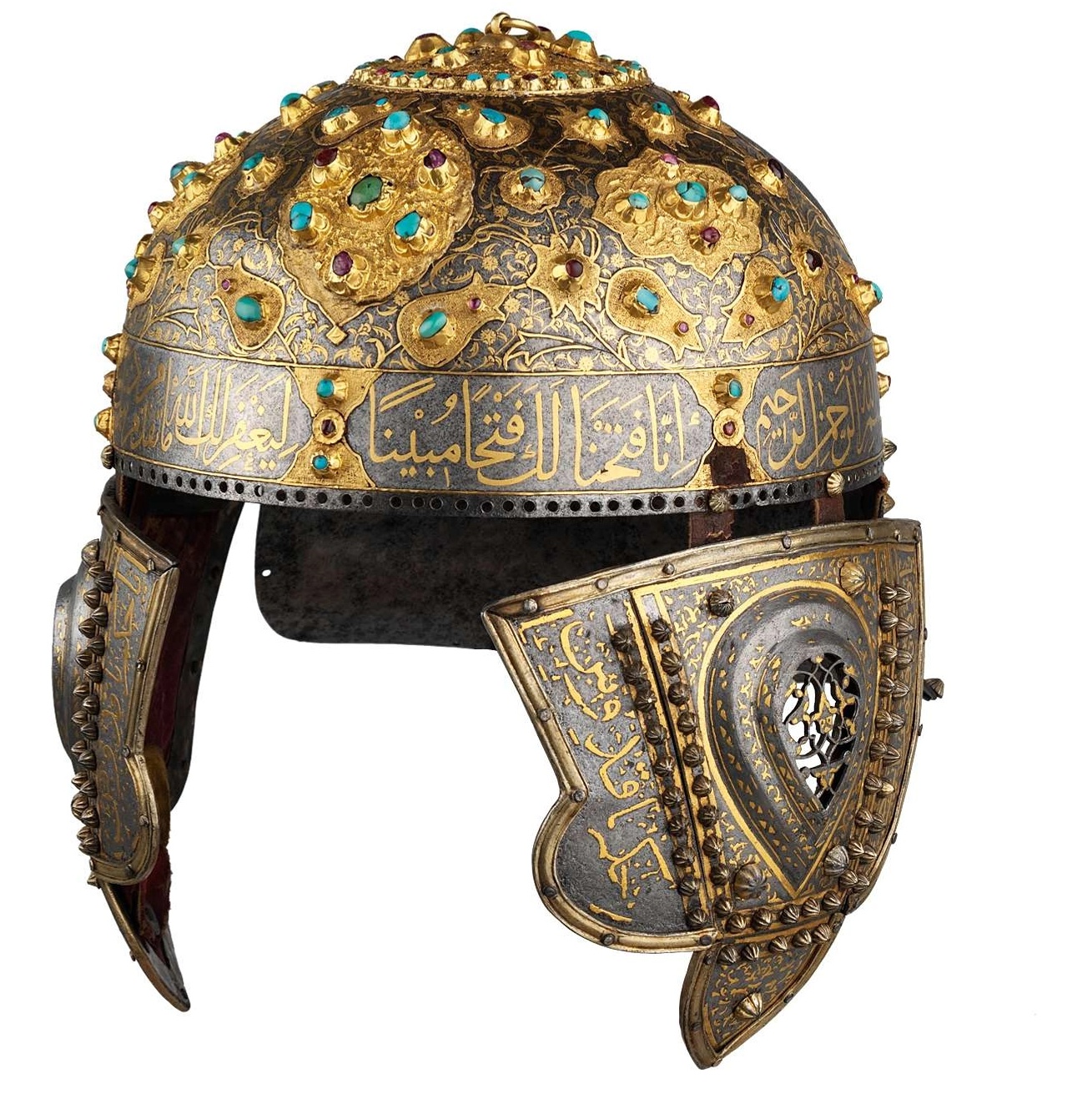
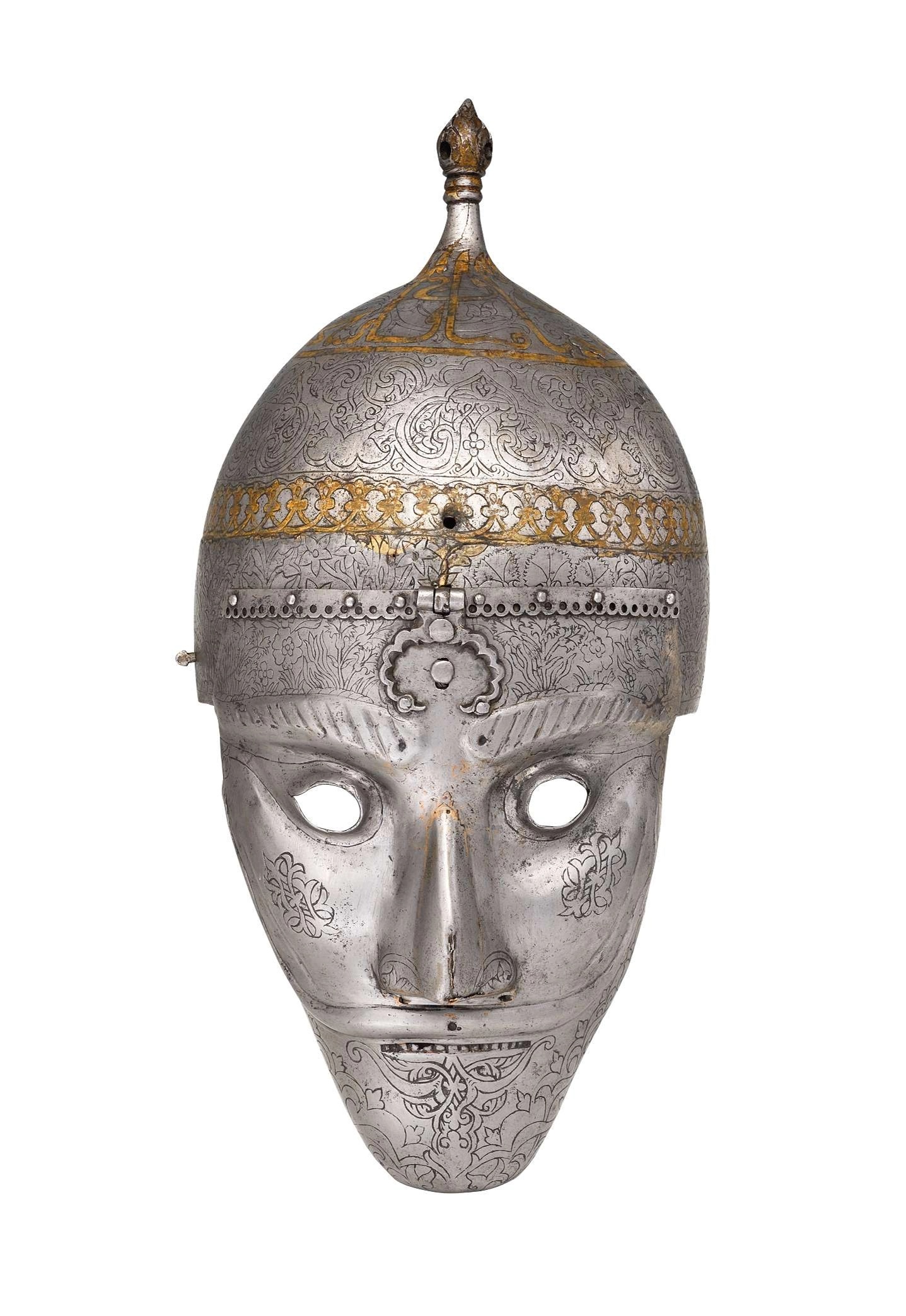
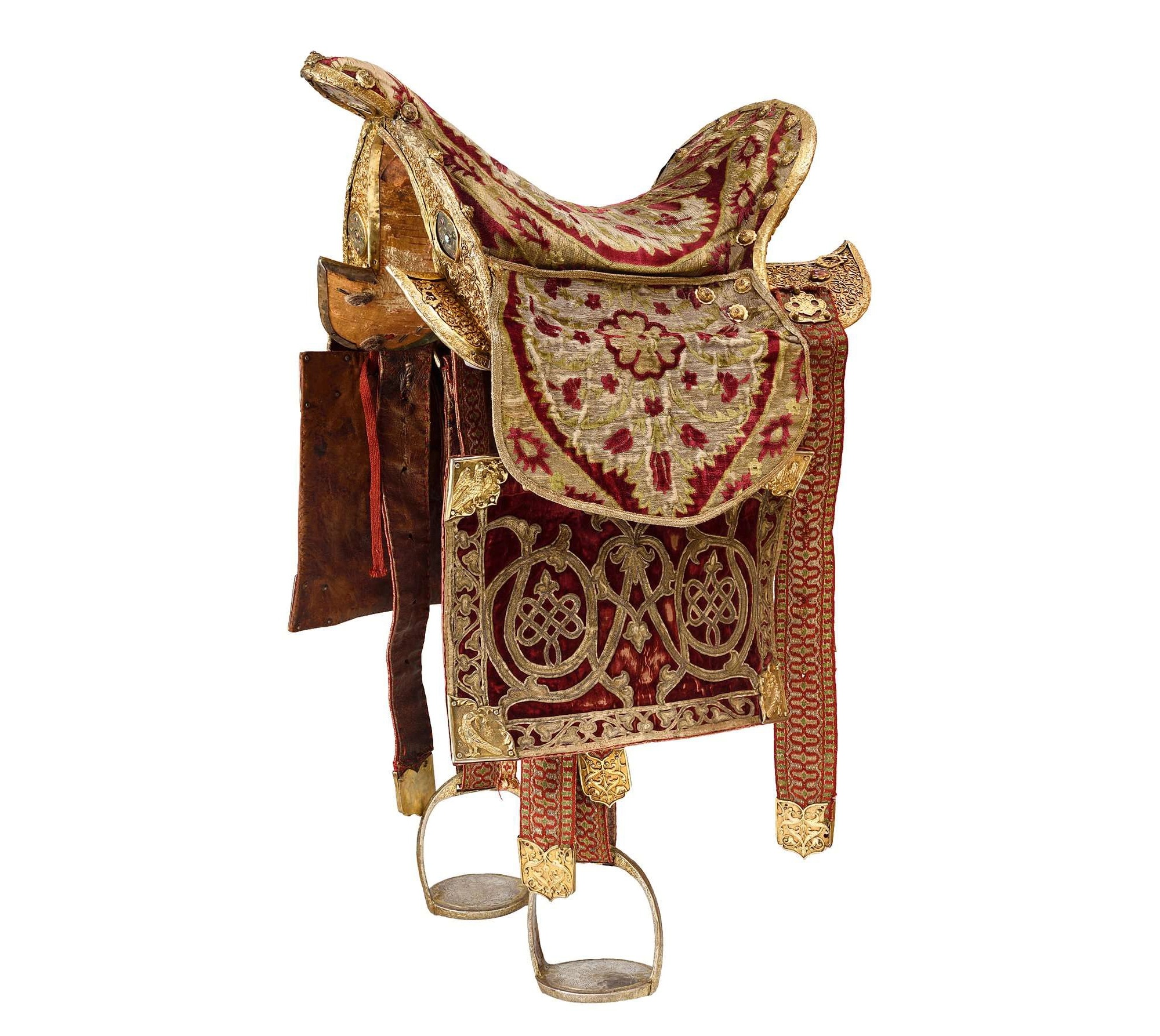
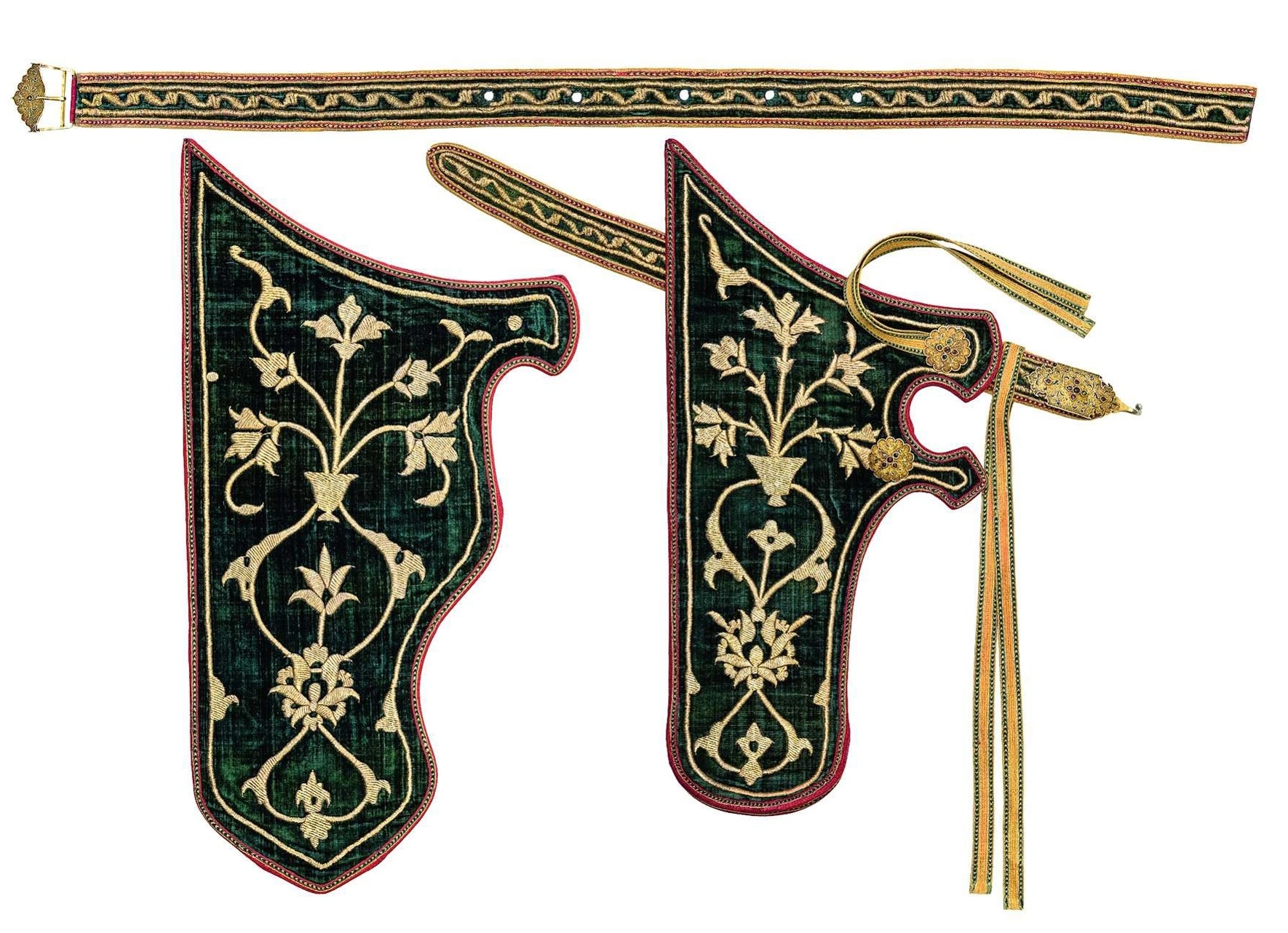
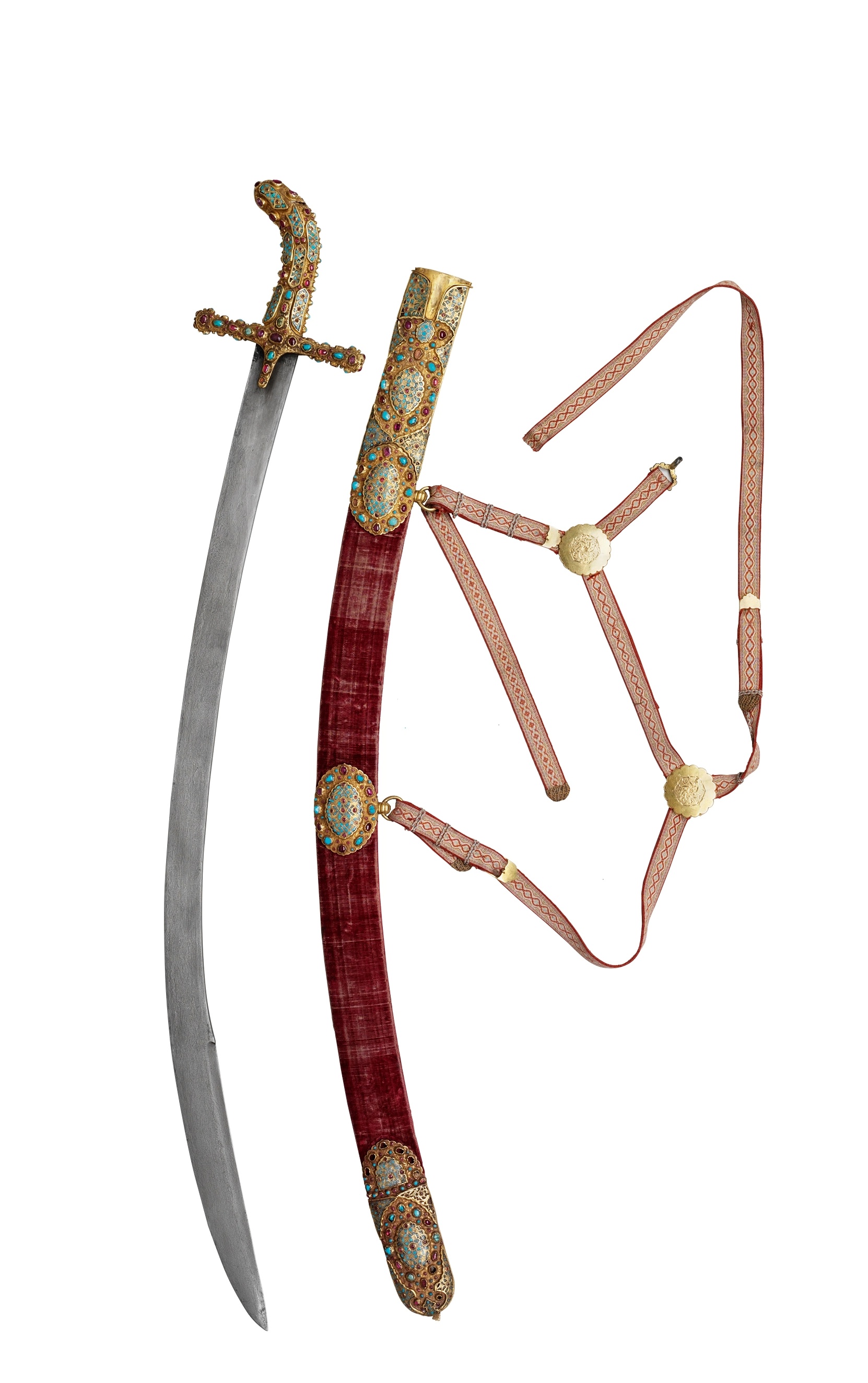
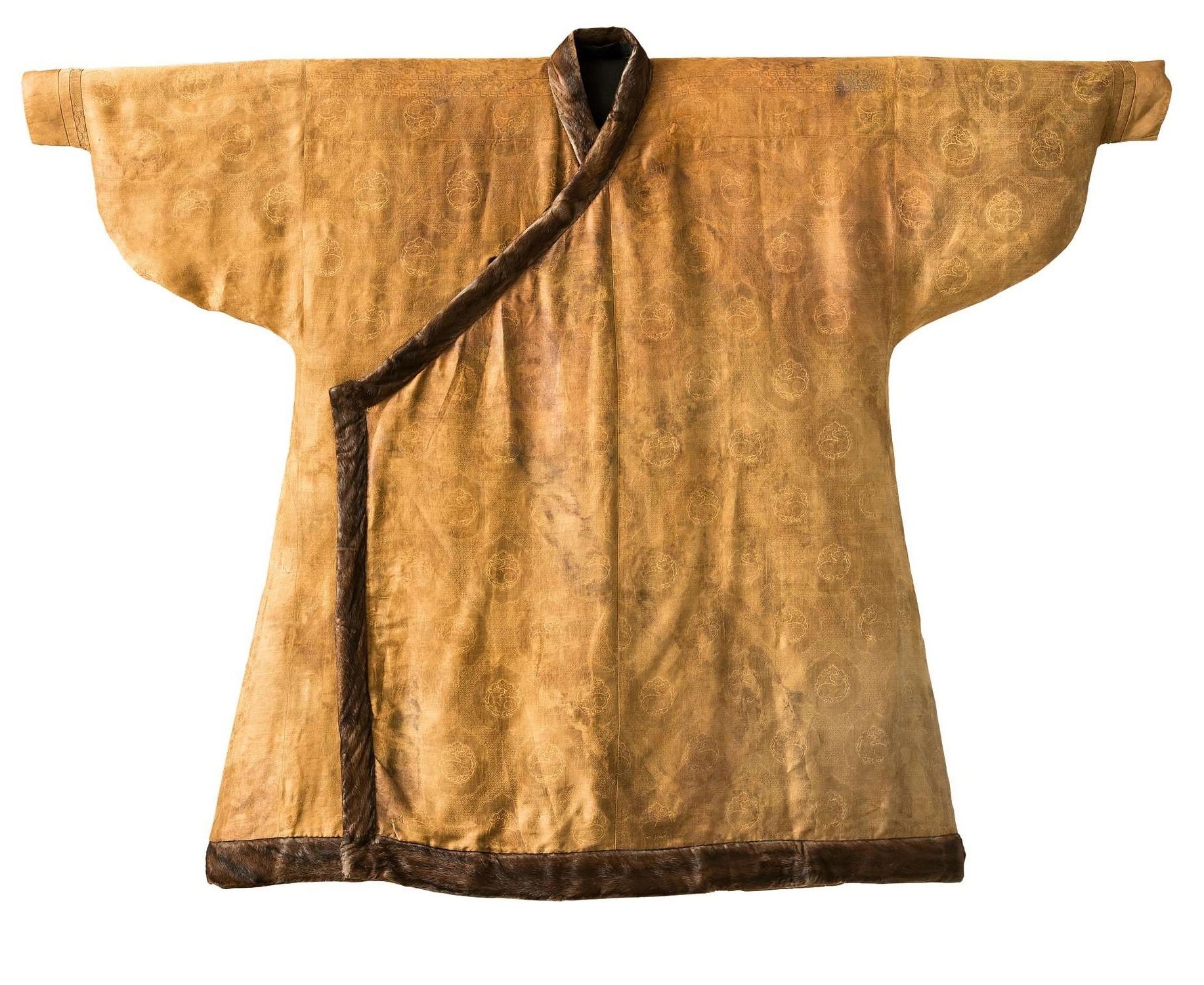
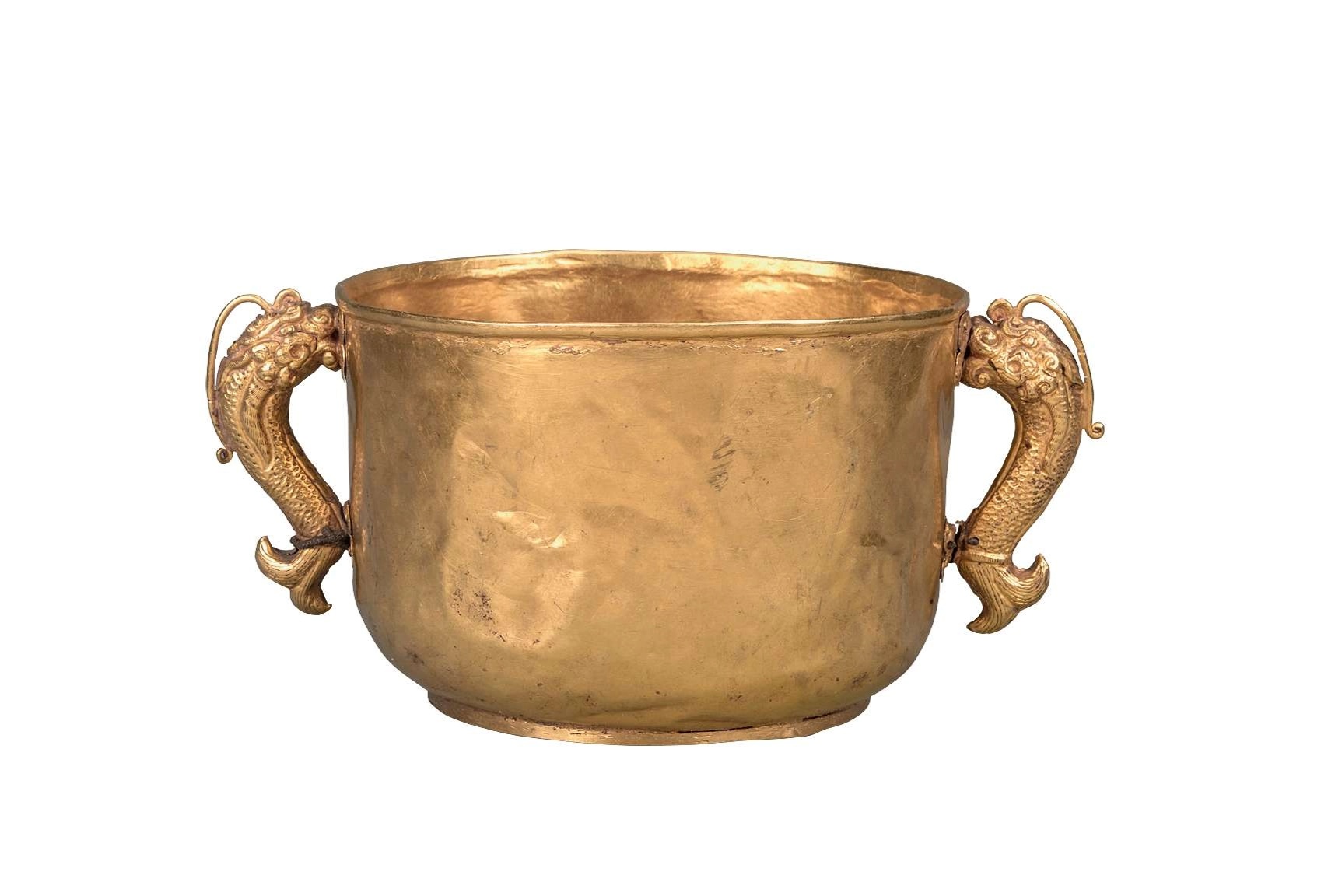
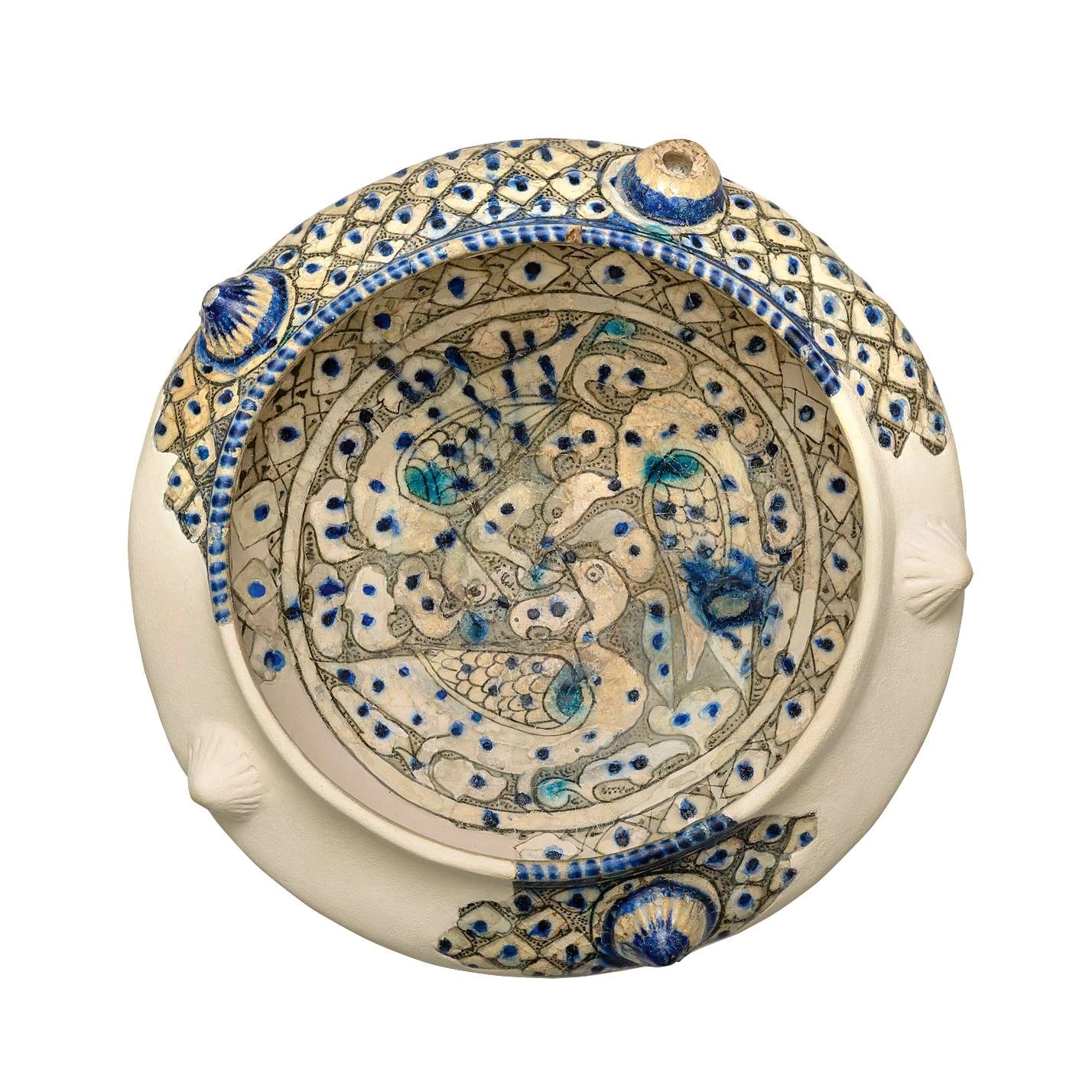
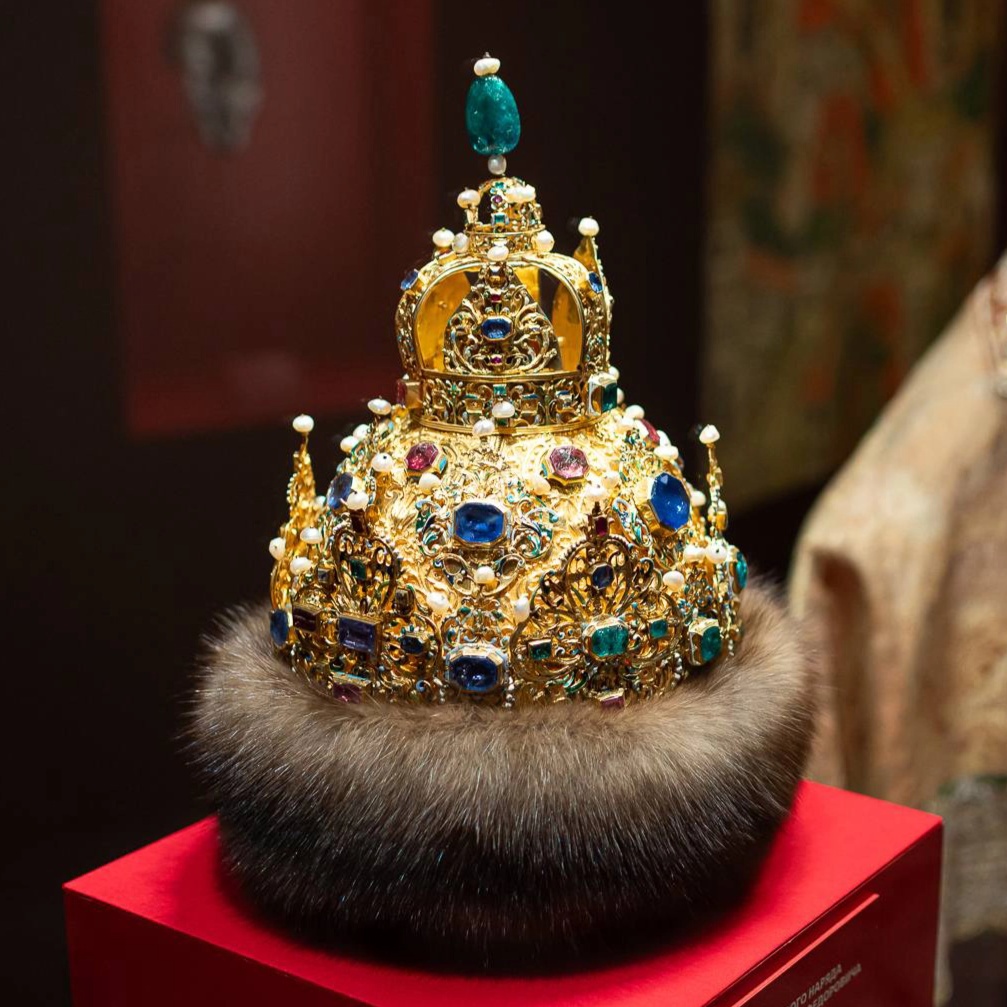
In the Year of the Unity of the Peoples of Russia, the Moscow Kremlin Museums, with the support of the Ministry of Culture of the Russian Federation, presents a major project dedicated to the destinies of the descendants of Genghis Khan at the Russian court in the 15th–17th centuries. "The Descendants of Genghis Khan: Rus' and the World" exhibition tells their story within the context of the legacy of the Mongol Empire and the Golden Horde, Russo-Tatar relations and cultural influences, dynastic marriages, and court ceremonial.
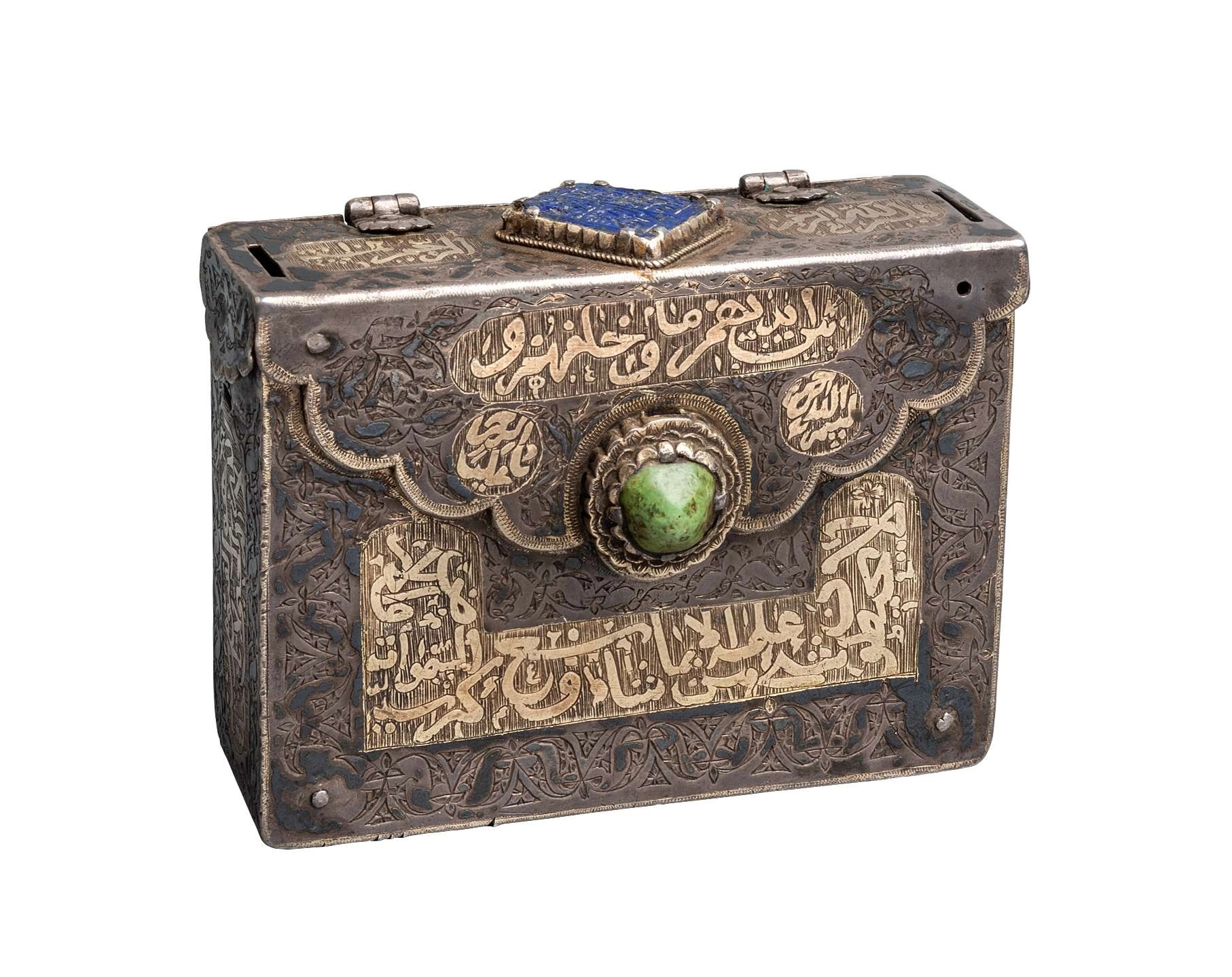
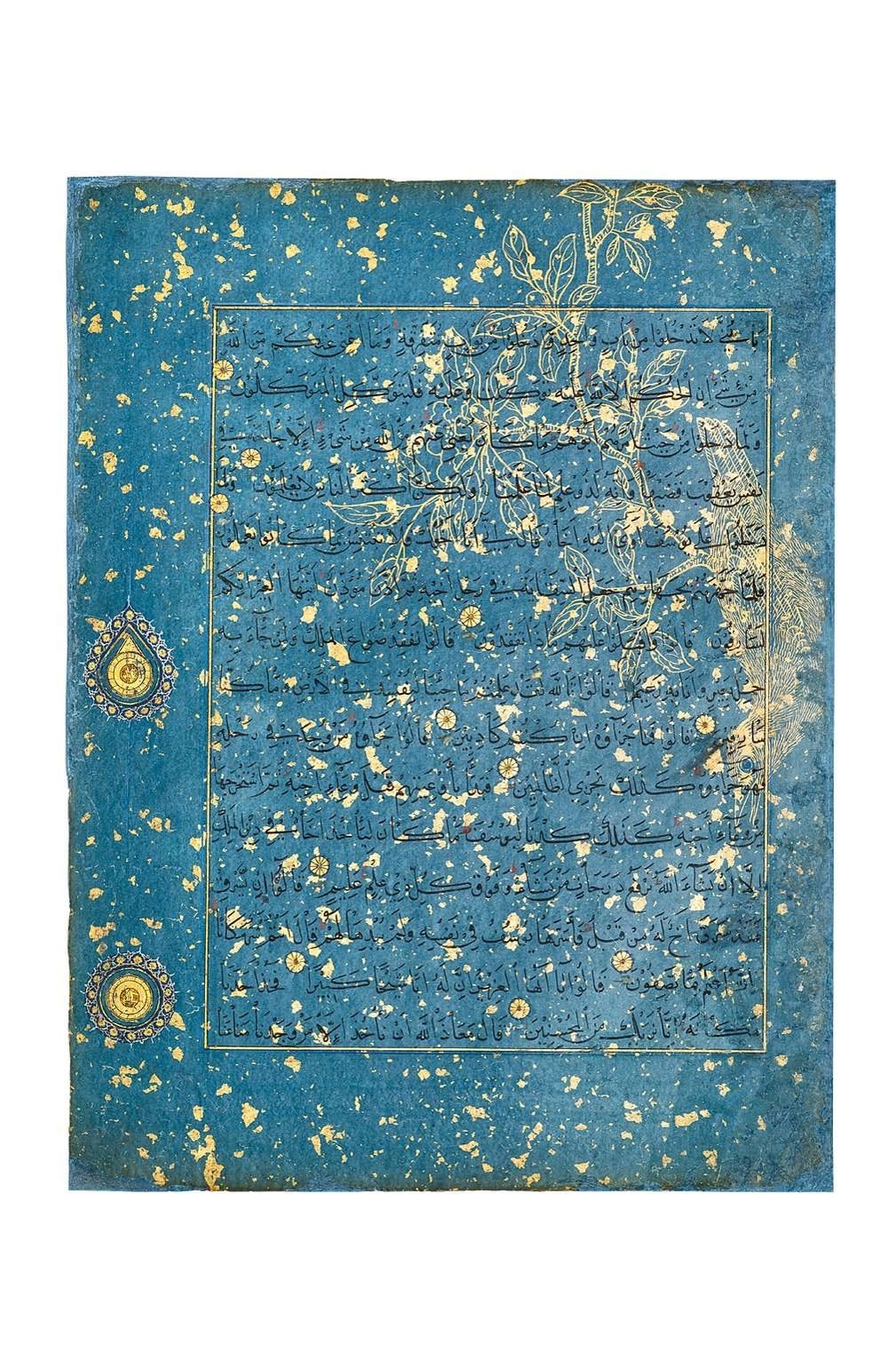
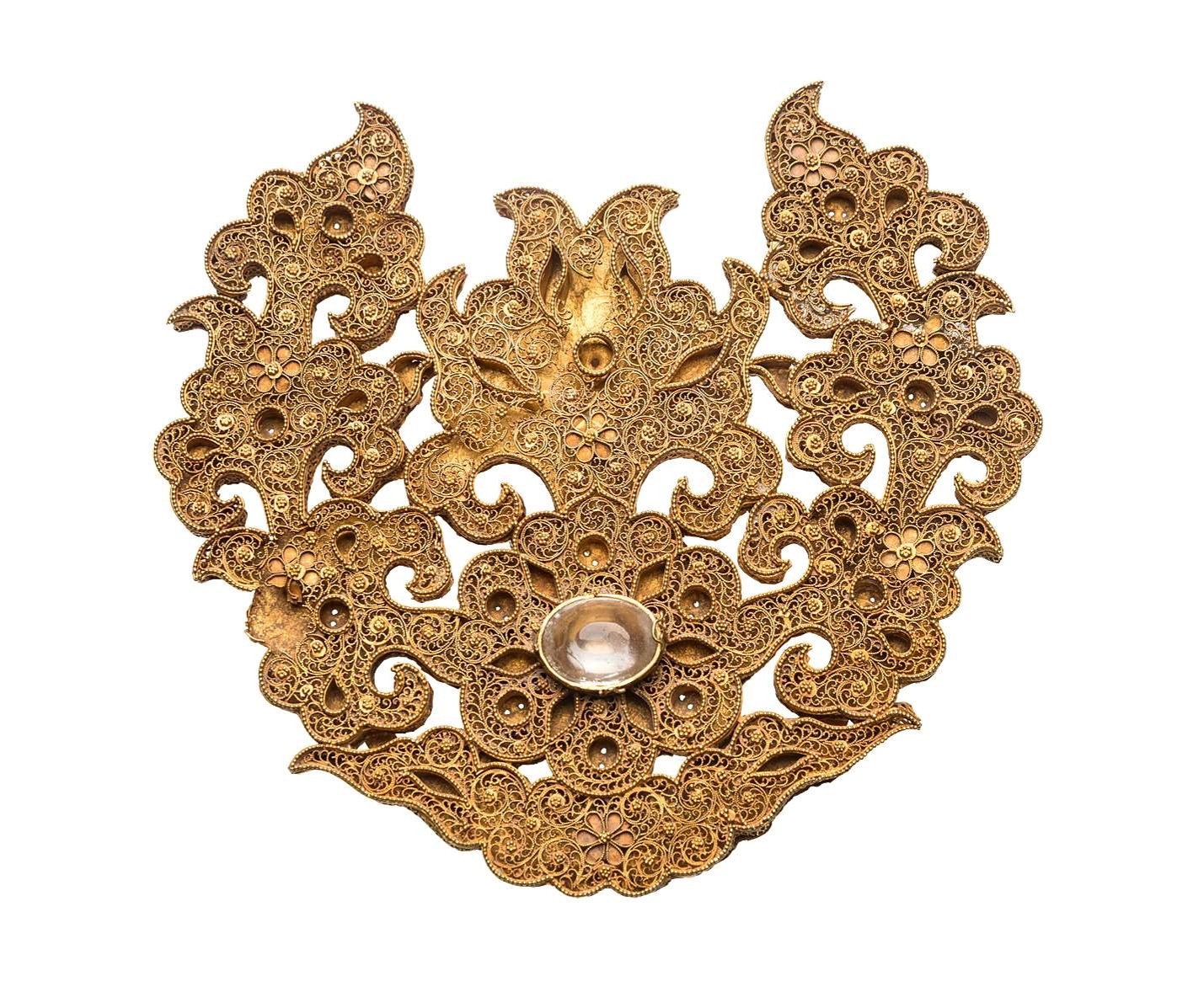
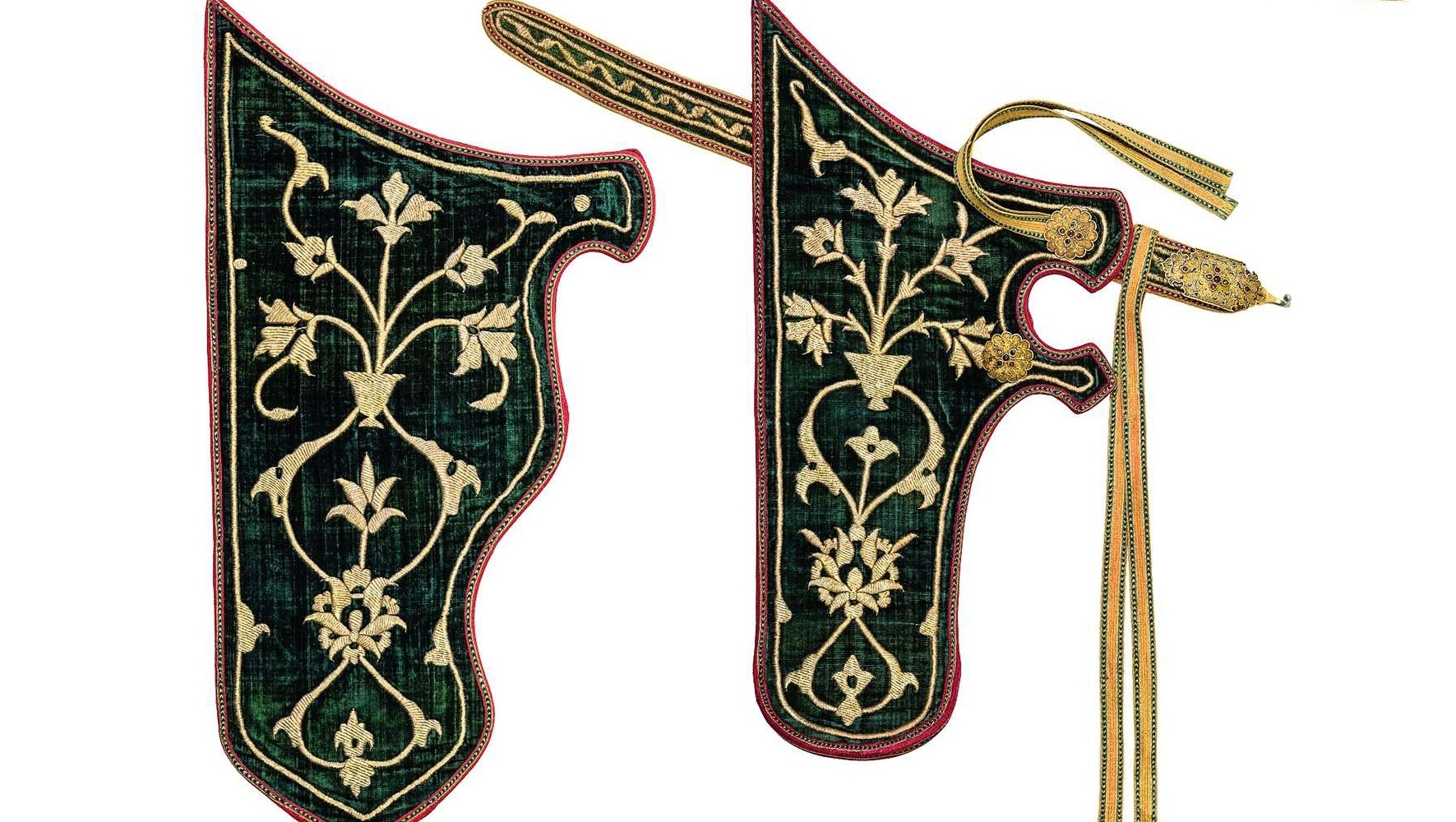
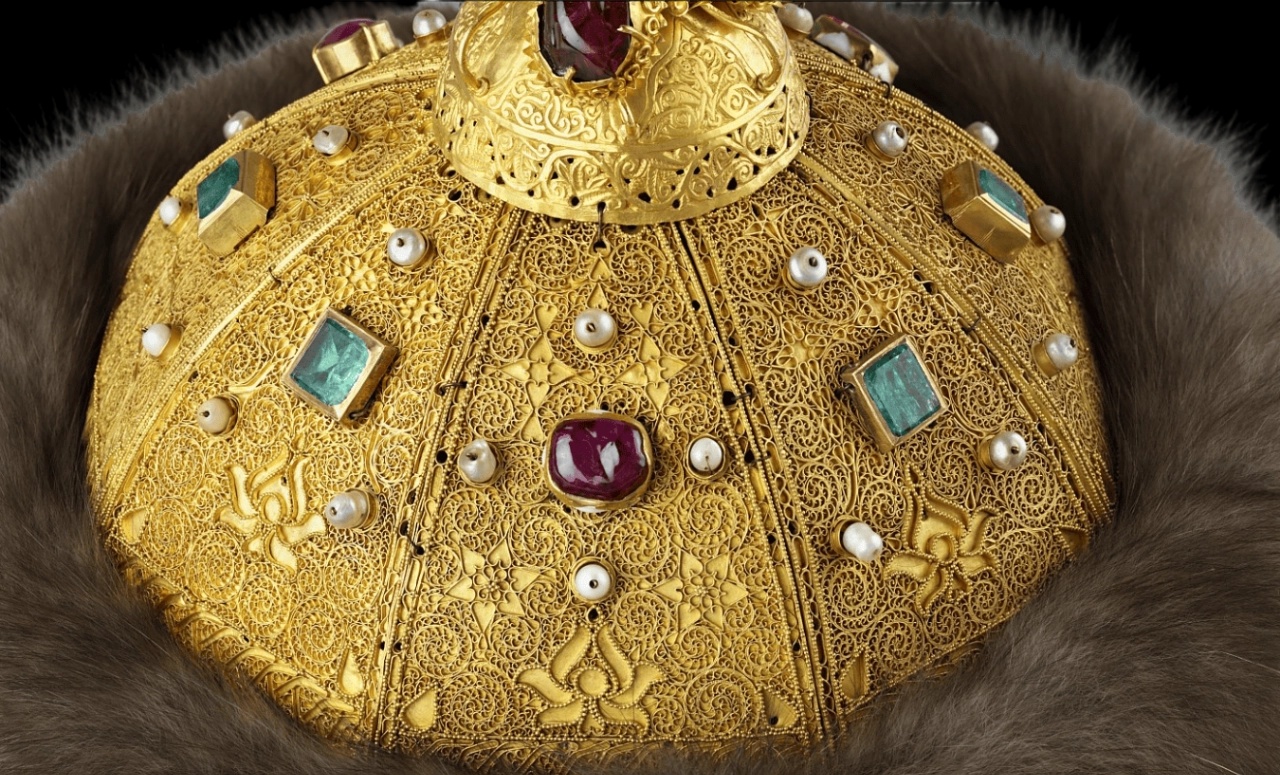
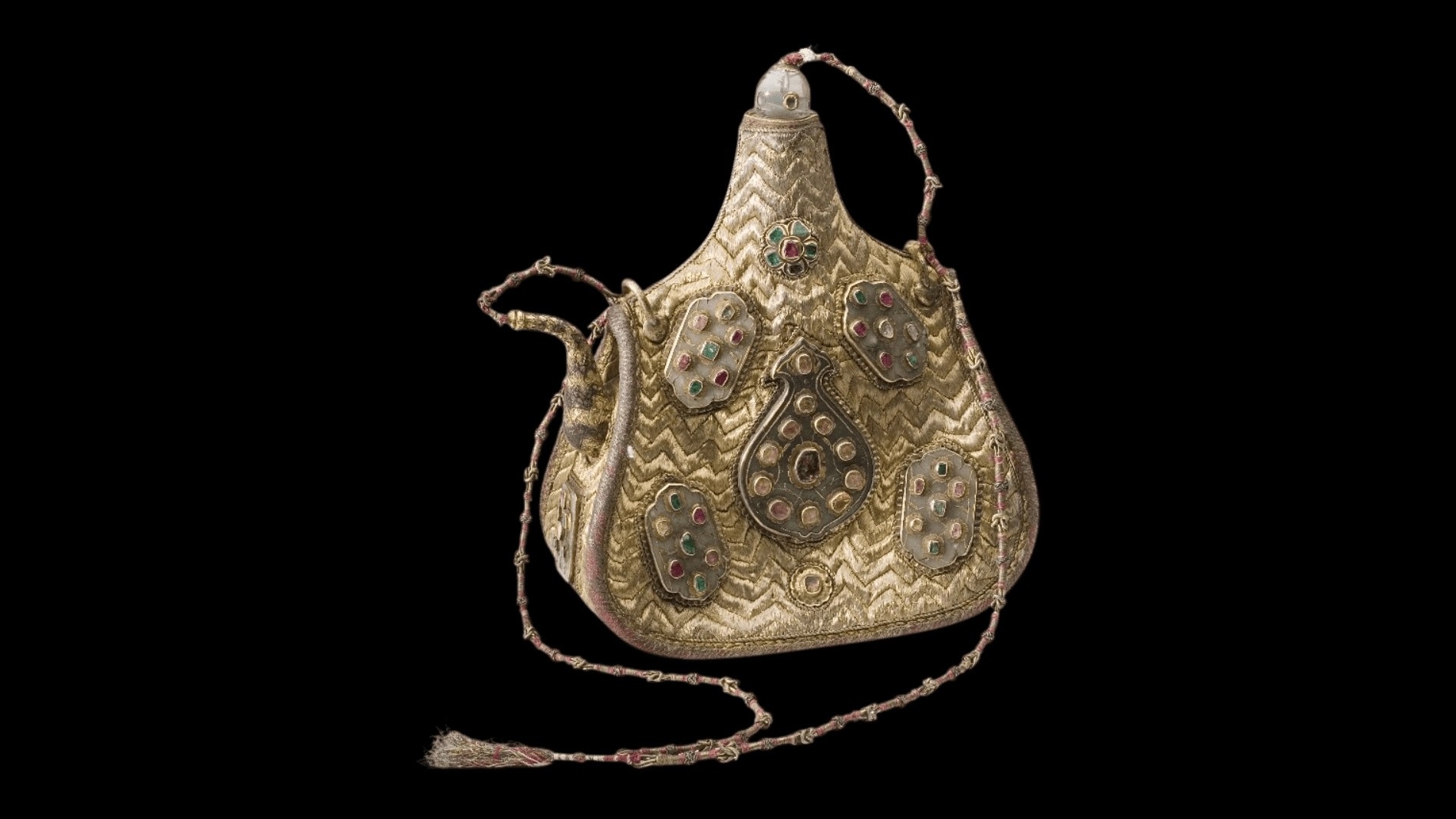
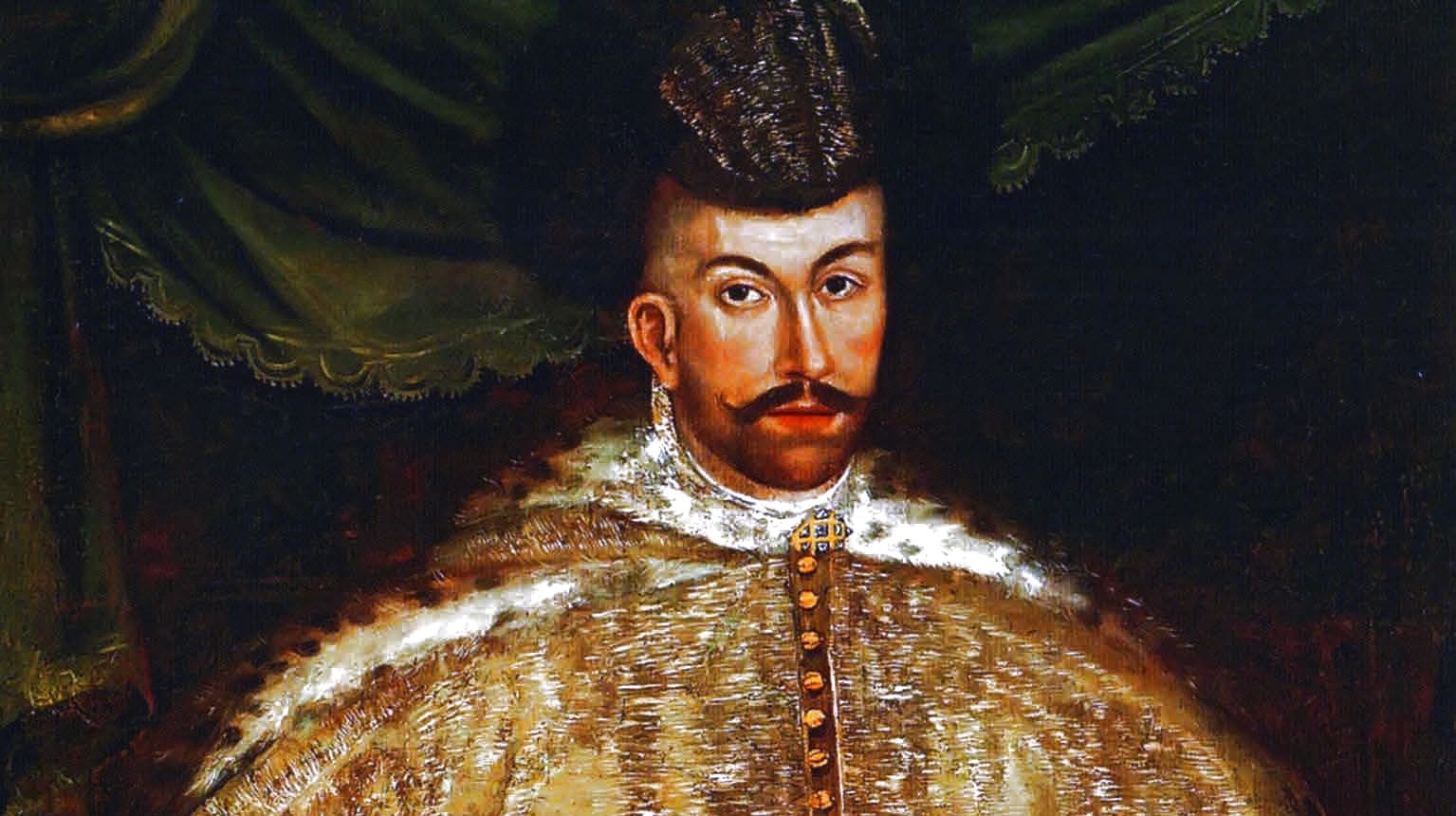
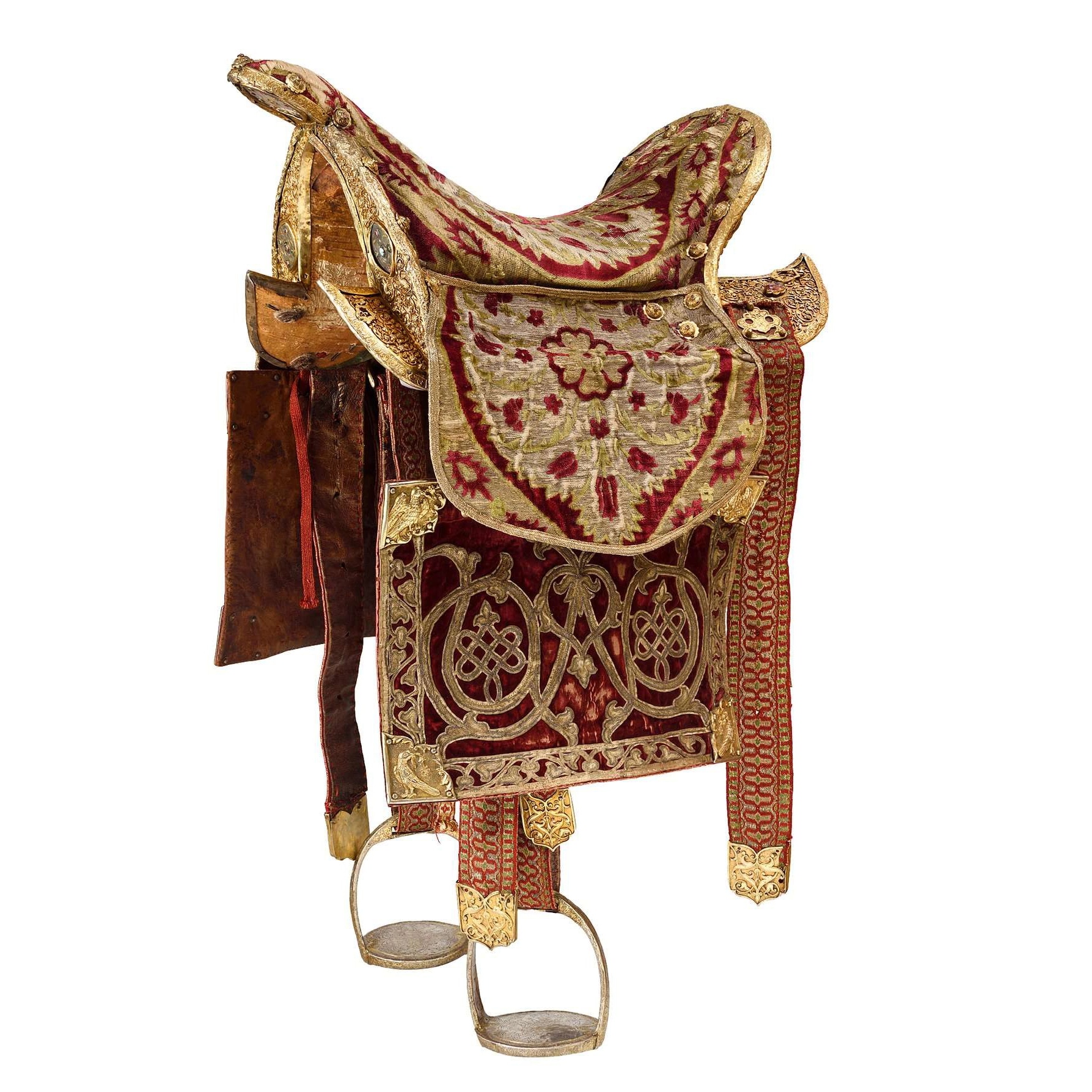
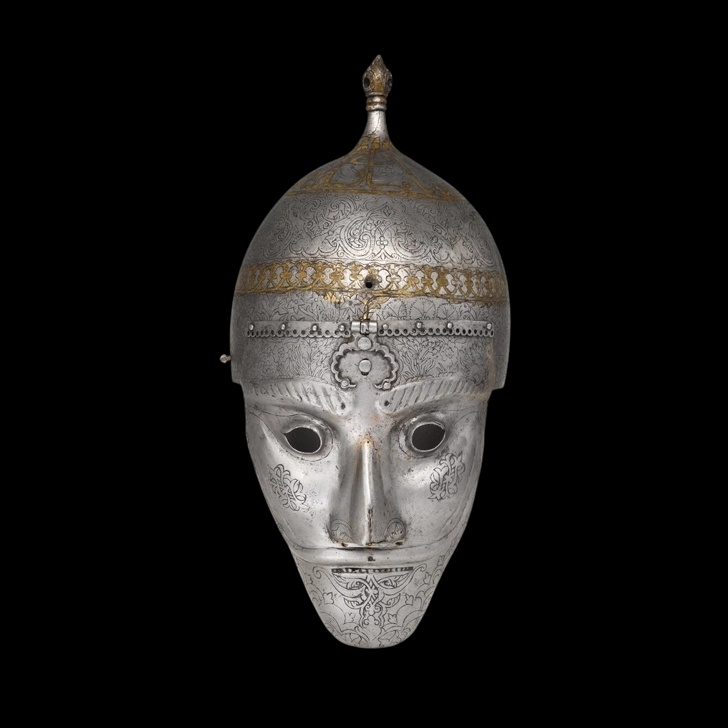
The display features over 150 items from leading national museums, libraries, and private collections. It includes artefacts with a verifiable connection to the descendants of Genghis Khan at the Russian court. Among these are a Quran amulet box belonging to Ürüz-Mohammed, the Tsar of Kasimov, from the State Hermitage Museum; a precious Matara flask gifted to Tsar Alexey Mikhailovich by the Kasimov Tsarevich Seyid-Burkhan, and a neck tassel for a horse – a gift from Avgan-Mohammed, a serving Tsarevich from the Urgench dynasty, from the Moscow Kremlin Museum's collection. Several items will be on public view for the first time. These include a belt set comprising numerous gilt appliqués from the Mardjani Foundation Collection, which belonged to a Horde aristocrat, and a 17th-century manuscript "Jami' al-Tawarikh" ("Compendium of Chronicles") from the Scientific Library of Saint Petersburg State University. This work, compiled at the court of Ürüz-Mohammed, Tsar of Kasimov, compares Tsar Boris Godunov to Genghis Khan.
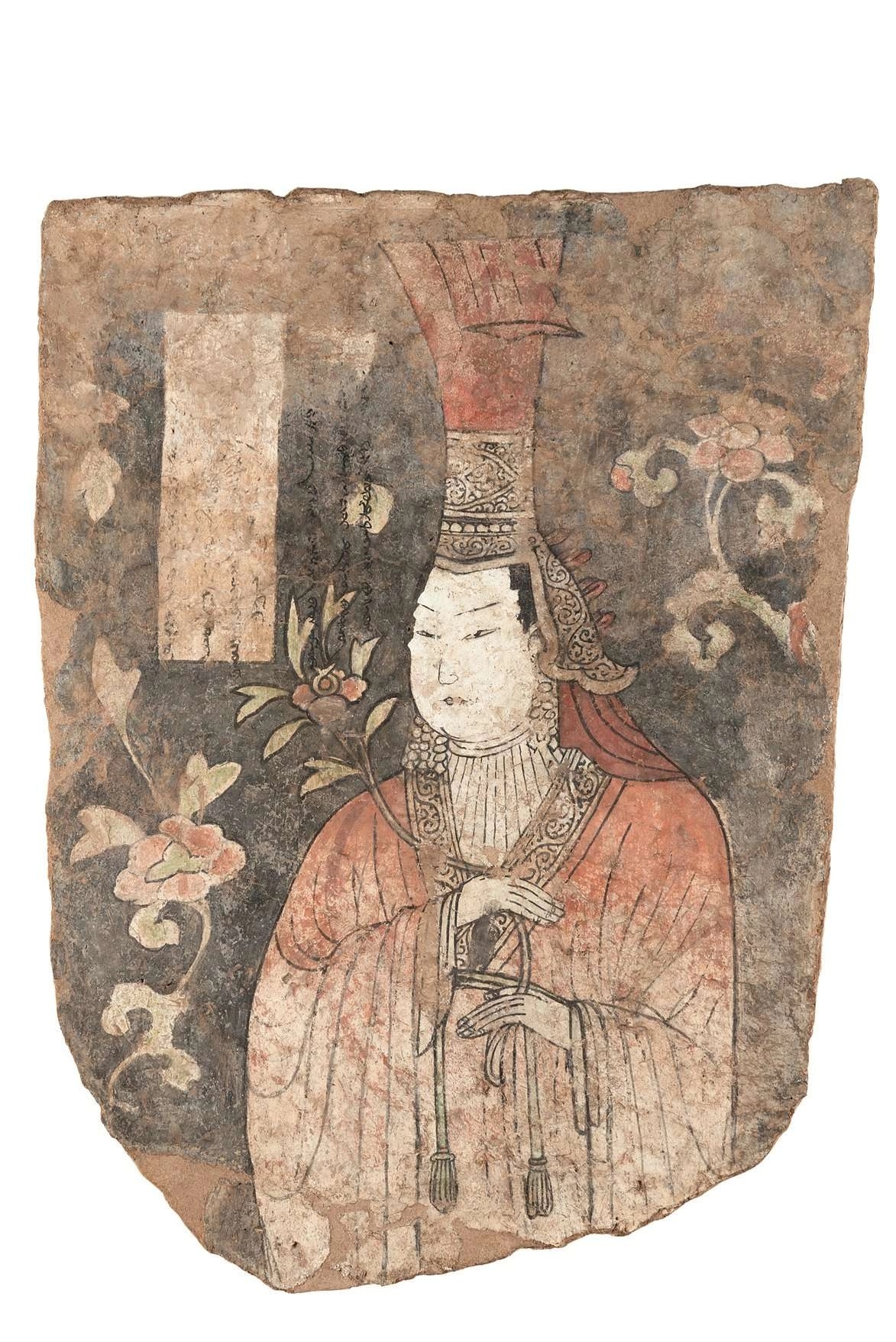
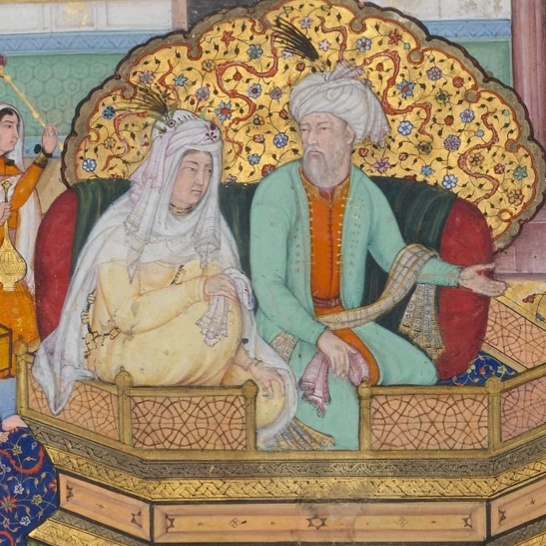
The belief in Genghis Khan’s high dynastic status spread across Eurasia during the Mongol invasions of the 13th and 14th centuries. This belief became deeply ingrained in Rus, where Russian principalities came under the vassalage of the Golden Horde — an independent polity that emerged after the fragmentation of the Mongol Empire. However, relations between Rus and the Horde were not limited to conflict. Contemporary reseach reveals the complexity of Russian-Horde interactions and their profound influence on the political and dynastic traditions, as well as on the decorative and applied arts and monumental art of medieval Rus. One significant aspect of these ties was dynastic marriage in the late 13th and early 14th centuries, when Russian princes married members of the Chinggisid clan. This phenomenon is illustrated by a superb set of garments belonging to a Mongol aristocrat, including a high headdress (boqtaq), dating from the last third of the 13th century to the first half of the 14th century, from the Mardjani Foundation Collection.
The reversal of historical roles between the 15th and 17th centuries resulted in the Genghisids becoming vassals of Russian sovereigns and eventually integrating fully into the Russian service nobility. As members of the upper aristocracy, they fought under the banners of grand princes and tsars and participated in court ceremonies. The practice of incorporating descendants of Genghis Khan into state service can be traced back to the mid-15th century — during the reign of Vasily the Blind. Simultaneously, the Kasimov Khanate (sometimes referred to as the Kasimov Tsardom) was established on territory within the Russian state, with its rulers drawn from the Chinggisid line and appointed by Moscow grand princes and tsars. It was only during the reign of Peter the Great that the institution of Chinggisid service came to an end, and the descendants of the khans were fully incorporated into the Russian nobility.